Classic Ethnic Wardrobe Essentials for Every Celebration
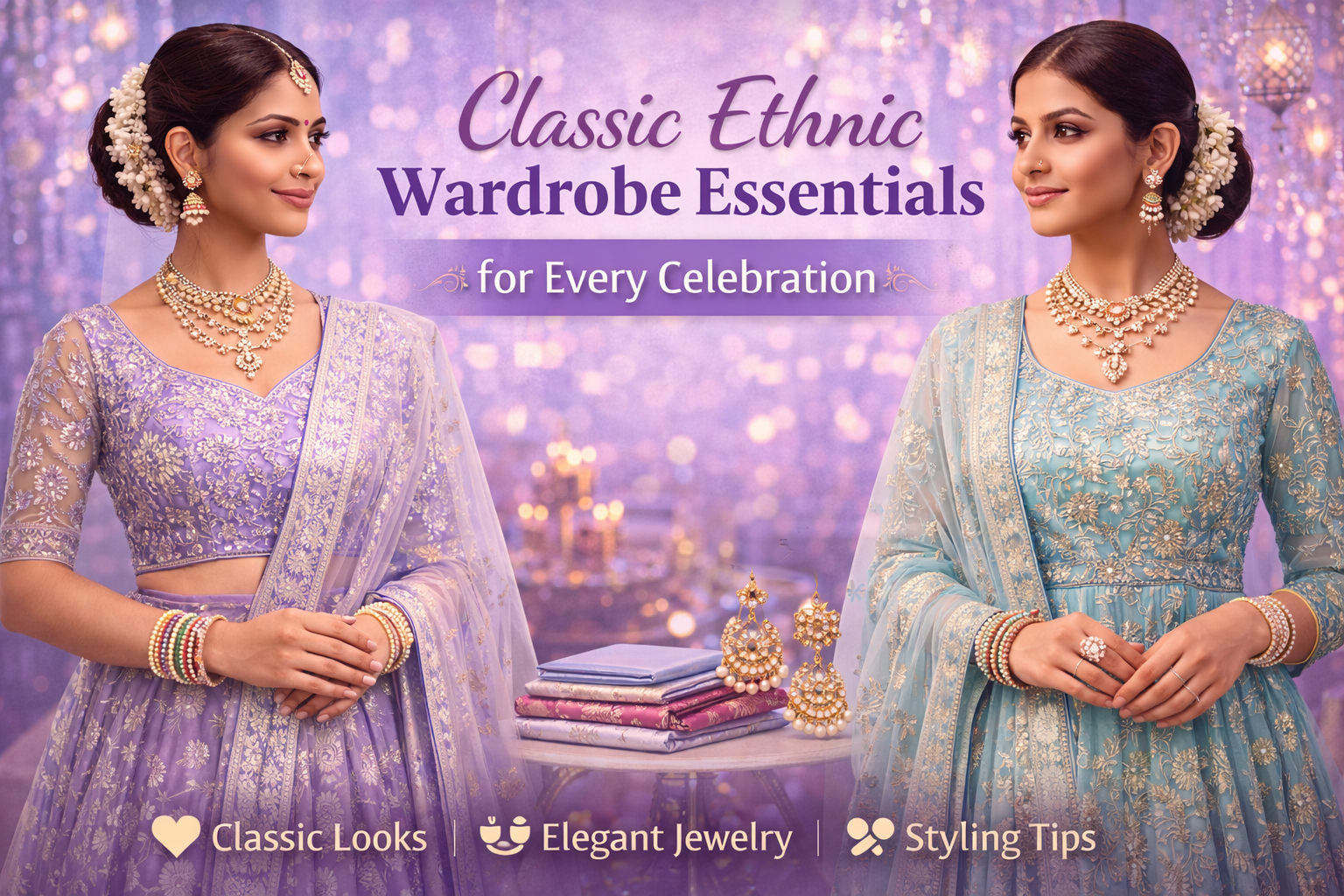
Imagine stepping into a family wedding or a festive gathering, feeling that rush of excitement mixed with a touch of nerves about what to wear. As women, we all know how those moments can make or break our confidence. That’s where having a solid set of wardrobe essentials comes in handy. These timeless pieces aren’t just clothes; they’re your reliable allies for every celebration, helping you blend tradition with a modern twist without the last-minute scramble. In the vibrant world of Indian fashion, building a collection of classic ethnic wardrobe essentials means you’re always prepared to shine, whether it’s Diwali, a puja, or a casual get-together. It saves time, reduces stress, and lets you focus on the joy of the occasion. Think about it: investing in versatile items like a well-chosen saree or a simple kurta set can transform your look effortlessly. Over the years, I’ve seen how these wardrobe essentials empower women to express their style while honoring cultural roots. They offer endless mixing and matching options, making sure you look elegant and feel comfortable. In this guide, we’ll explore why these pieces matter and how to curate them smartly for your lifestyle.
Why Invest in Ethnic Wardrobe Essentials?
Building a collection of wardrobe essentials is more than a shopping spree; it’s a smart way to streamline your style. In India, celebrations come thick and fast, from weddings to festivals, and having reliable pieces means you’re never caught off guard. These essentials form the backbone of your ethnic wear, allowing you to adapt to different events with minimal effort.
Classic ethnic wardrobe essentials stand the test of time because they’re versatile. A single item can be styled for formal or casual settings, cutting down on unnecessary buys. Plus, they reflect our rich heritage while fitting into modern life. For women juggling work and family, this approach brings peace of mind.
Focus on quality over quantity. High-quality fabrics last longer and look better, making your wardrobe essentials a worthwhile investment. You’ll save money in the long run by avoiding trendy items that fade quickly.
Must-Have Pieces for Your Ethnic Wardrobe
Every woman’s closet should include a few key wardrobe essentials that cover a range of occasions. Let’s break them down, starting with the icons of Indian ethnic wear.
Timeless Sarees: The Ultimate Versatile Essential
No discussion of wardrobe essentials is complete without sarees. They’re elegant, adaptable, and perfect for celebrations. Opt for a classic silk saree in neutral tones like beige or maroon for weddings, or a cotton one for everyday pujas.
Styling tips: Drape it traditionally for formal events or experiment with a modern belt for a fusion look. Pair with minimal jewelry to let the saree shine.
Fabric details matter here. Silk offers a luxurious sheen, while cotton provides breathability for humid weather. Budget-wise, start with mid-range options around 2000-5000 rupees for good quality.
Elegant Salwar Kameez Sets for Comfort and Style
Salwar kameez is among the most practical wardrobe essentials. It’s comfortable for long hours at events and suits all body types. Choose straight-cut designs in chiffon or georgette for evening parties.
Occasion suggestions: Wear a heavily embroidered set for receptions or a simple printed one for family dinners. Add a dupatta for extra flair.
Common mistake to avoid: Skipping alterations. A well-fitted salwar kameez elevates your entire appearance.
Lehengas: For Those Grand Celebrations
Lehengas are wardrobe essentials for bigger festivities like sangeets. Go for a semi-stitched one in velvet or brocade to reuse across seasons.
Styling tip: Mix the choli with jeans for a casual twist post-celebration. Budget considerations: Entry-level lehengas start at 3000 rupees, but splurge on embroidery for longevity.
Kurtas and Tunics: Everyday Ethnic Charm
These are underrated wardrobe essentials for lighter occasions. A long kurta in linen pairs well with palazzos for brunches or office parties with a festive vibe.
Pro tip: Layer with a jacket for cooler evenings. Avoid synthetic fabrics that don’t breathe well.
Accessories That Tie It All Together
Don’t overlook accessories as part of your wardrobe essentials. A set of bangles, jhumkas, and bindis can transform basic outfits. Invest in gold-plated pieces for versatility.
Comparison of Popular Fabrics for Ethnic Wear
To help you choose wisely, here’s a quick comparison table of common fabrics used in ethnic wardrobe essentials:
| Fabric | Durability | Comfort Level | Best For | Price Range (per outfit) |
|---|---|---|---|---|
| Silk | High | Medium | Weddings, formal | 5000-15000 rupees |
| Cotton | Medium | High | Daily wear, pujas | 1000-4000 rupees |
| Georgette | Medium | High | Parties, evenings | 2000-6000 rupees |
| Chiffon | Low | High | Light occasions | 1500-5000 rupees |
| Brocade | High | Medium | Festivals | 4000-10000 rupees |
This table shows how selecting the right fabric aligns with your needs and budget.
Pro Tips for Styling Your Wardrobe Essentials
As a fashion writer who’s styled countless looks, here are some pro tips to make your ethnic wardrobe essentials work harder.
- Mix textures: Combine a silk saree with matte jewelry for balance.
- Color coordination: Stick to a palette of 3-4 colors in your collection for easy matching.
- Layer smartly: Use stoles or capes to refresh old pieces.
- Footwear matters: Juttis for tradition, heels for modern edge.
- Personalize: Add monograms or embroidery to make items uniquely yours.
These tips ensure your wardrobe essentials stay fresh and relevant.
Common Mistakes to Avoid with Ethnic Wear
Even with great wardrobe essentials, pitfalls can dull your shine. One big mistake is ignoring body shape—flowy fabrics suit curvy figures, while structured ones flatter slimmer builds.
Another is over-accessorizing. Keep it simple to avoid looking cluttered. Also, don’t buy without trying; online shopping tempts, but fit is key.
Finally, skipping sustainability. Opt for eco-friendly dyes to make your wardrobe essentials last ethically.
Things to Consider Before Buying
Before adding to your wardrobe essentials, think about your lifestyle. How often do you attend celebrations? Prioritize versatile pieces if events are frequent.
Check fabric quality—feel the material for smoothness and weight. Look for reinforced stitching to ensure durability.
Budget is crucial. Set a limit per item, like 3000 rupees for a saree, to avoid overspending. Read reviews for authenticity, especially online.
Consider storage space. Bulky items like lehengas need proper hanging to prevent creases.
Lastly, think about maintenance. Choose machine-washable options if you’re short on time.
Care & Maintenance Tips
Keeping your ethnic wardrobe essentials in top shape extends their life. Always dry clean silk and brocade to preserve sheen.
For cotton and georgette, gentle hand wash in cold water works best. Avoid direct sunlight when drying to prevent fading.
Store in breathable covers, not plastic, to avoid moisture buildup. Use mothballs for natural fabrics.
Iron on low heat, and fold sarees neatly to maintain pleats. Regular airing keeps them fresh.
Frequently Asked Questions (FAQs)
- What are the basic wardrobe essentials for ethnic wear? Start with a saree, salwar kameez, kurta, and lehenga. These cover most celebrations.
- How do I choose fabrics for my wardrobe essentials? Pick based on occasion—cotton for comfort, silk for elegance. Consider your climate too.
- Can I style wardrobe essentials for modern looks? Yes, pair them with contemporary accessories like belts or sneakers for a fusion vibe.
- What’s a good budget for building wardrobe essentials? Aim for 10,000-20,000 rupees initially, focusing on quality pieces that last.
- How often should I update my ethnic wardrobe essentials? Every 2-3 years, but refresh with accessories to keep things current without full replacements.
In wrapping up, curating classic ethnic wardrobe essentials is about creating a foundation that supports your style through every celebration. These pieces offer flexibility, comfort, and a nod to tradition, helping you step out with ease and grace. Remember, fashion is personal—choose what makes you feel your best. With thoughtful selections, you’ll always be ready to embrace the festivities ahead.
How to Choose the Perfect Traditional Saree for Festivals
How to Choose the Perfect Traditional Outfit for Special Occasions
How to Identify a Pure Silk Saree : Your Ultimate Buying Guide
About Author
