How to Choose the Perfect Wedding Outfit for the Groom
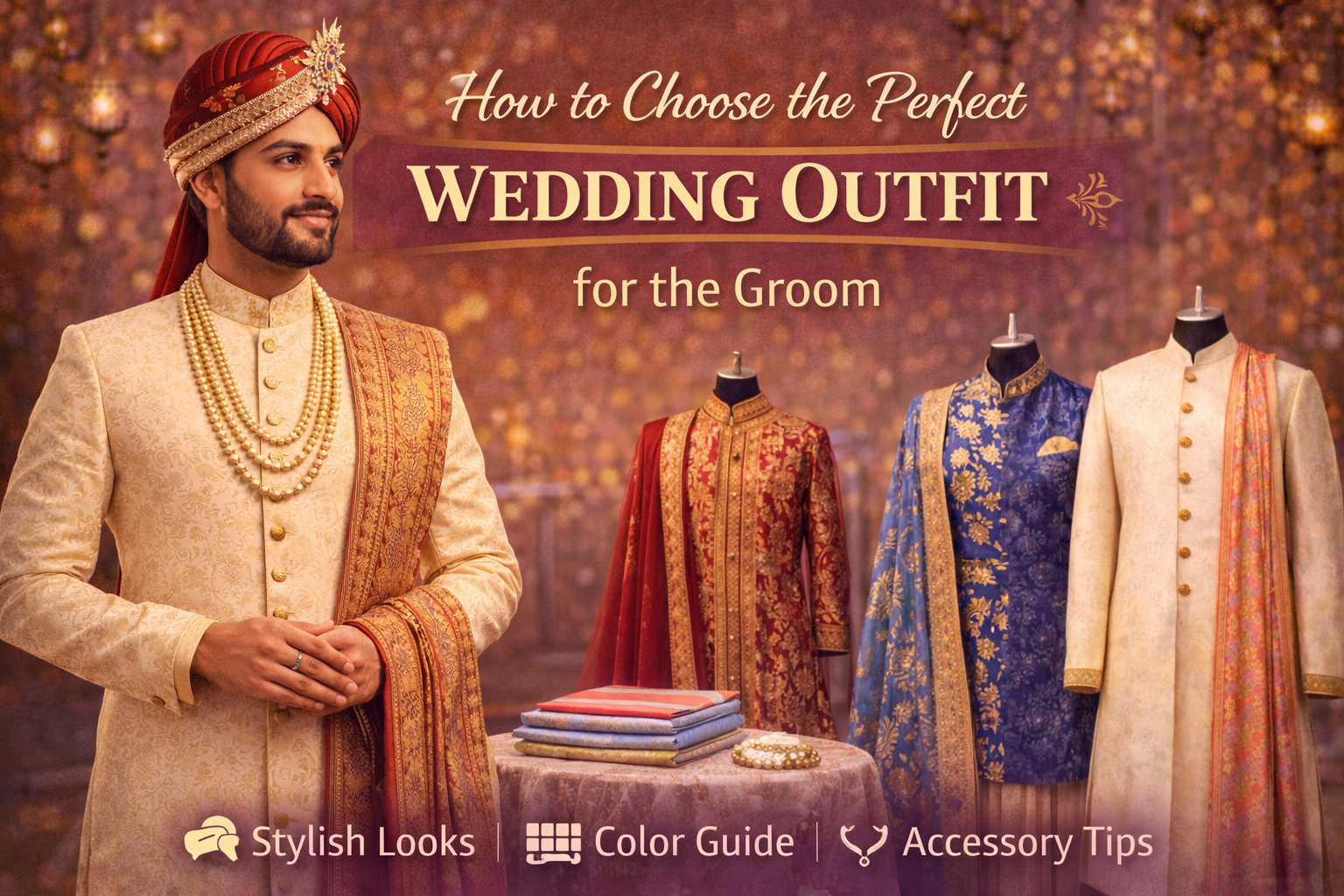
Planning a wedding is one of those magical times in life where every detail feels like it carries a piece of your heart. As a woman deeply invested in the world of sarees and ethnic wear, you might find yourself taking the lead in helping your partner, brother, or son pick out his wedding outfit for the groom. It’s not just about looking sharp; it’s about creating harmony between the bride’s elegance and the groom’s style, making the day even more special. I’ve spent over a decade writing about Indian fashion, blending traditional roots with modern twists, and I know how overwhelming it can be to navigate choices like sherwanis, kurtas, or suits. The right wedding outfit for the groom can boost his confidence, reflect cultural values, and ensure those wedding photos capture timeless memories. In this guide, we’ll walk through practical steps to make this decision easier, focusing on what truly matters for a flawless look.
Understanding Wedding Styles in India
Weddings in India vary widely, from grand traditional ceremonies to sleek contemporary affairs. Your choice of wedding outfit for the groom should align with the overall theme to avoid any mismatch.
For traditional Indian weddings, think opulent and rooted in heritage. A classic sherwani paired with churidar pants often steals the show, especially in North Indian setups. These outfits embody royalty with intricate embroidery and rich colors like gold or maroon.
In South Indian weddings, a veshti (dhoti) with a silk shirt or kurta offers simplicity and grace. It’s lightweight and perfect for warmer climates, allowing the groom to move comfortably during rituals.
Modern fusion weddings blend East and West. Here, a tailored bandhgala jacket over slim trousers can work wonders, adding a contemporary edge while honoring traditions.
Key Elements of the Groom’s Outfit
Selecting the perfect wedding outfit for the groom starts with breaking down the essentials. Focus on pieces that suit his body type and the event’s vibe.
The sherwani remains a top pick for its structured silhouette. It flatters most builds, with lengths varying from knee to ankle. Opt for one with subtle zari work if you want elegance without overwhelming details.
Kurta pajamas offer versatility. A straight-cut kurta with slim pajamas suits daytime receptions, while an asymmetrical design adds flair for evening events.
For Western-inspired looks, a three-piece suit in navy or charcoal provides a polished alternative. Ensure the fit is impeccable—shoulders aligned, pants grazing the shoes just right.
Choosing the Right Fabric
Fabric plays a huge role in comfort and appearance, especially in India’s diverse weather. For a summer wedding, breathable options like cotton or linen blends keep the groom cool during long ceremonies.
Silk and brocade shine in winter weddings, offering warmth and a luxurious sheen. Raw silk, in particular, holds embroidery well and drapes beautifully.
Velvet adds drama for evening functions but can feel heavy in humid areas. Always check for quality—feel the fabric for smoothness and check seams for durability.
Blended fabrics like polyester-silk mixes are budget-friendly and wrinkle-resistant, ideal if travel is involved.
Color Coordination and Trends
A well-chosen wedding outfit for the groom should complement the bride’s attire for that picture-perfect duo. If she’s in red or pink, go for ivory or beige to create balance.
Earthy tones like mustard or teal are trending for eco-conscious couples, adding a fresh twist to traditional palettes.
For Christian or minimalist weddings, crisp whites or soft pastels work best. Avoid clashing—share swatches early to match hues.
Current trends lean toward subtle metallics and matte finishes, moving away from overly shiny fabrics.
Styling Tips for Different Occasions
Styling elevates any wedding outfit for the groom. For the main ceremony, layer with a dupatta or stole for added tradition.
At the reception, loosen up with open collars or rolled sleeves for a relaxed yet refined vibe.
Sangeet nights call for fun—think embroidered kurtas with mojari shoes for easy dancing.
Always consider height: Taller grooms suit longer sherwanis, while shorter ones benefit from vertical patterns.
Budget Considerations
Setting a budget for the wedding outfit for the groom prevents last-minute stress. Entry-level options start at 5,000–10,000 INR for basic kurtas, while designer sherwanis can hit 50,000 INR or more.
Factor in alterations—custom fits add 1,000–3,000 INR but make a world of difference.
Rentals are smart for one-time wear, costing 20–50% less than buying. Check reputable stores for quality pieces.
Prioritize timeless styles over trendy ones to get more use post-wedding, like at festivals.
Common Mistakes to Avoid
One big pitfall is ignoring body proportions. A baggy sherwani can make even the fittest groom look sloppy—always try on multiple sizes.
Over-accessorizing is another trap. Stick to one statement piece, like a turban or watch, to keep the focus on the outfit.
Forgetting weather leads to discomfort. Heavy fabrics in heat cause sweating, ruining the day.
Not coordinating with the bride creates visual discord—discuss early.
Pro Tips from a Fashion Expert
As someone who’s covered countless weddings, here’s my advice: Get measured professionally for the best fit in your wedding outfit for the groom.
Experiment with textures—mix matte and sheen for depth.
Involve family for input, but let the groom’s comfort decide.
Shop during off-season sales for deals on premium fabrics.
Personalize with monograms or family heirlooms for sentiment.
Comparison Table: Popular Groom Outfits
| Outfit Type | Best For | Pros | Cons | Price Range (INR) |
|---|---|---|---|---|
| Sherwani | Traditional ceremonies | Regal look, versatile embroidery | Can be heavy | 15,000–1,00,000 |
| Kurta Pajama | Sangeet or receptions | Comfortable, easy to move | Less formal | 5,000–30,000 |
| Bandhgala Suit | Fusion weddings | Modern elegance, tailored fit | Limited color options | 20,000–60,000 |
| Western Suit | Contemporary events | Sleek and professional | May feel out of place in rituals | 10,000–50,000 |
This table helps weigh options quickly based on your wedding’s needs.
Things to Consider Before Buying
Before finalizing the wedding outfit for the groom, think about the venue. Outdoor settings demand lighter fabrics to handle dust or grass.
Check return policies—many stores allow exchanges within 7–15 days.
Assess durability: Look for reinforced stitching if the outfit involves heavy wear.
Consider sustainability: Opt for brands using organic materials if eco-friendliness matters.
Finally, read reviews or visit showrooms to see real samples.
Care & Maintenance Tips
Proper care extends the life of the wedding outfit for the groom. Dry clean silk or brocade pieces to preserve shine—avoid machine washing.
Store in breathable garment bags, away from direct sunlight to prevent fading.
For wrinkles, use a steamer gently; irons can damage embroidery.
Mothballs or cedar blocks keep pests at bay in humid storage.
Spot clean stains immediately with mild soap for best results.
Frequently Asked Questions (FAQs)
- What is the most popular wedding outfit for the groom in India? The sherwani tops the list for its traditional appeal and customizable designs, fitting most Indian weddings seamlessly.
- How do I match the groom’s outfit with the bride’s saree? Share fabric swatches and choose complementary colors—like gold with red—to create a cohesive look without identical matches.
- Is it better to buy or rent a wedding outfit for the groom? Buying suits heirloom pieces, while renting saves money for one-day events. Decide based on budget and future use.
- What accessories go well with a groom’s kurta? Simple ones like a pocket square, brooch, or ethnic shoes add polish without overpowering the outfit.
- Can a wedding outfit for the groom be reused for other occasions? Yes, tone down embroidery for festivals or parties by pairing with casual bottoms.
In wrapping up, choosing the perfect wedding outfit for the groom is about blending comfort, culture, and personal style to make the day unforgettable. With these tips in hand, you can guide the process confidently, ensuring he looks and feels his best. Fashion is personal—trust your instincts, and the right choice will shine through. Happy planning!
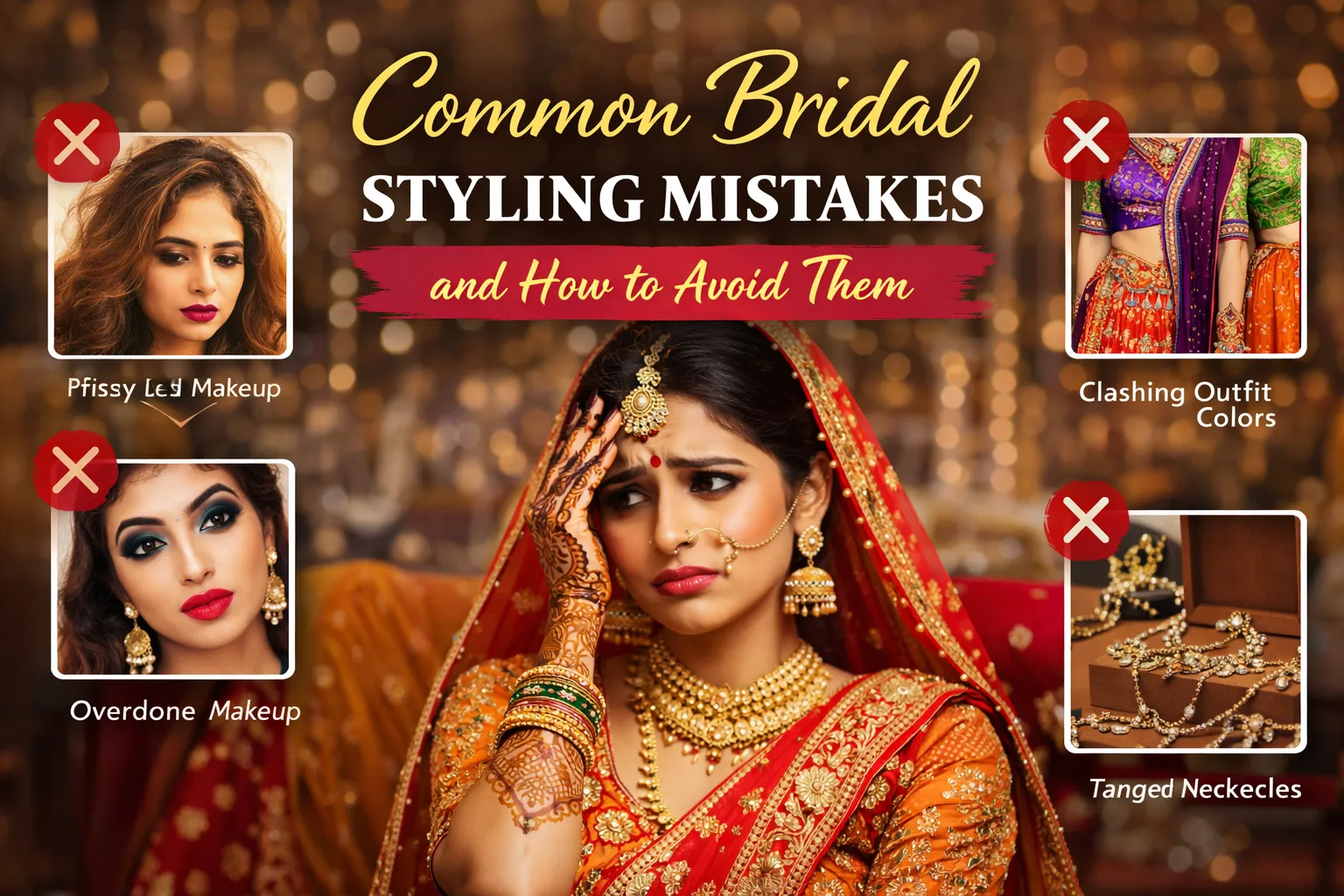
Common Bridal Styling Mistakes and How to Avoid Them
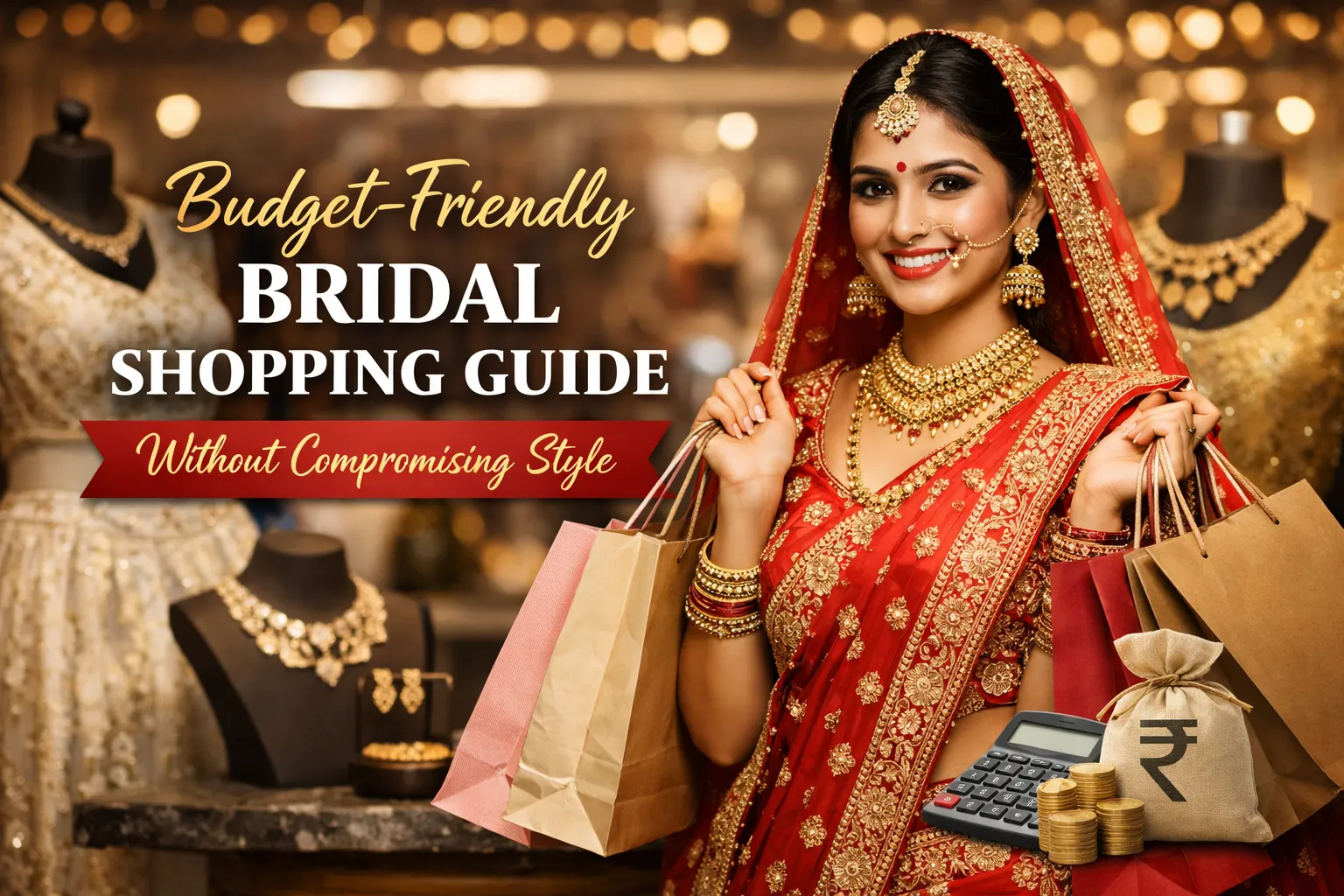
Budget-Friendly Bridal Shopping Guide Without Compromising Style
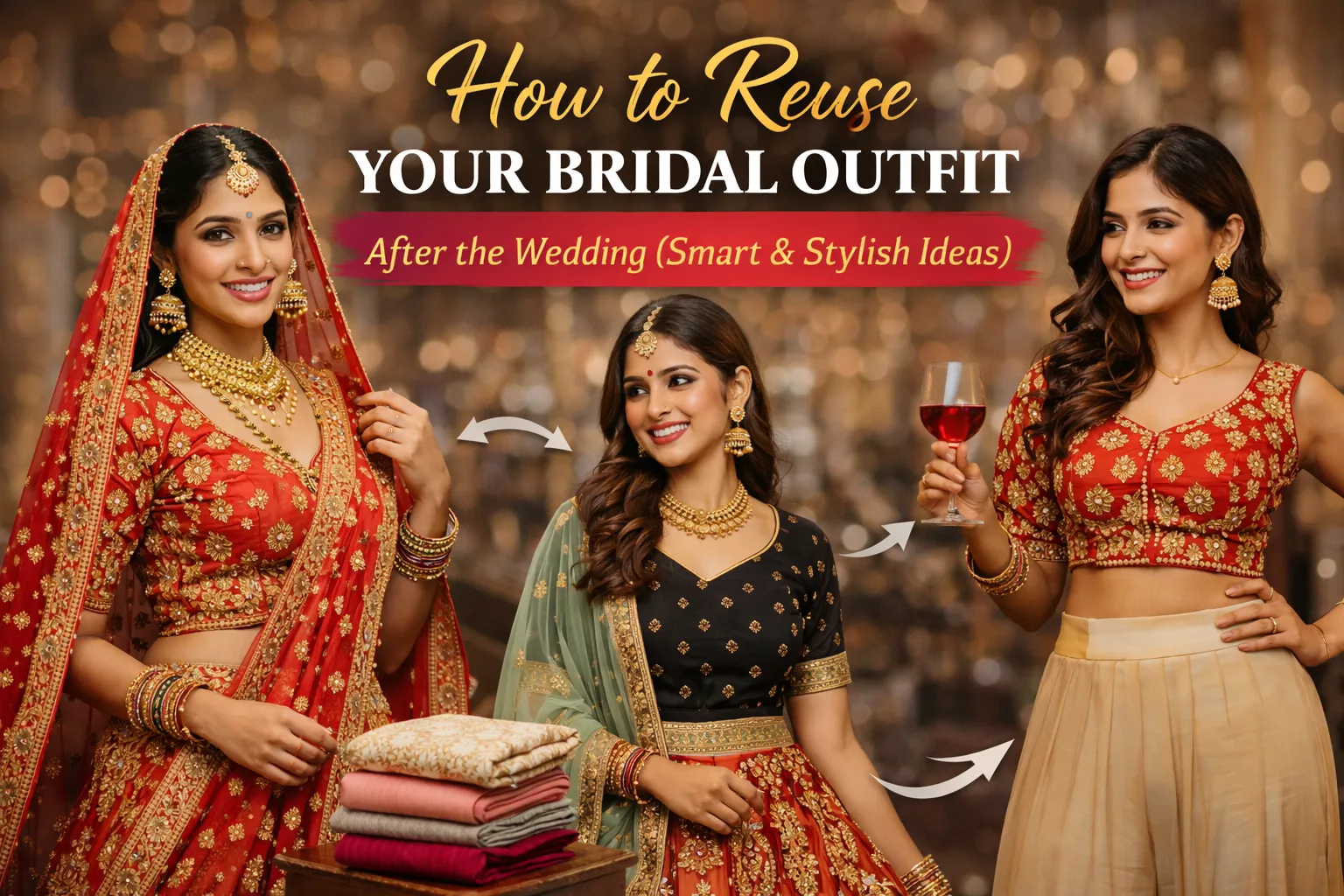
How to Reuse Your Bridal Outfit After the Wedding: Smart & Stylish Ideas
About Author
