Maharashtrian Paithani Saree: History, Weaving Process, and Styling Tips
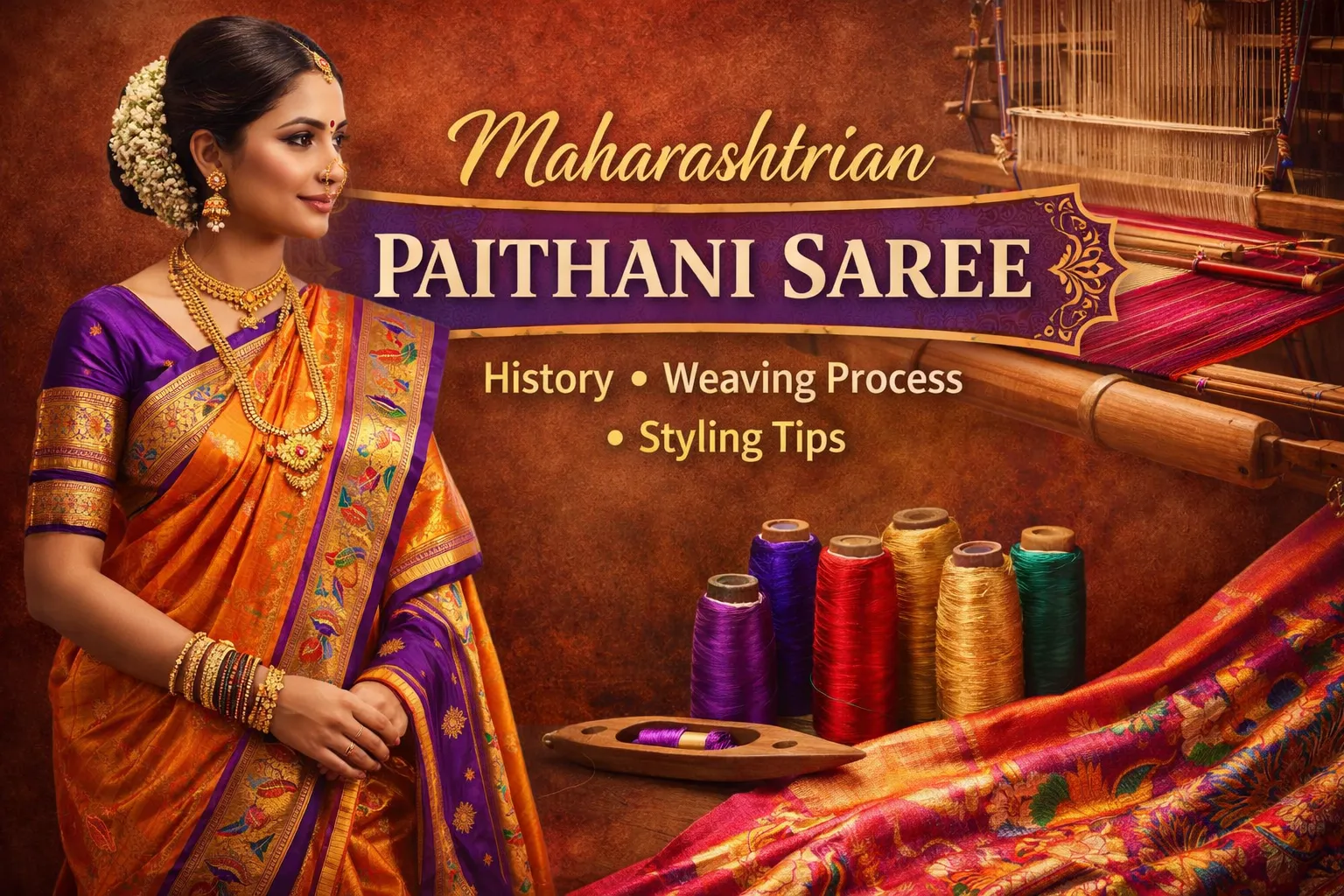
Have you ever slipped into a saree that feels like a piece of living history? That’s the magic of the Paithani Saree for me. As someone who’s spent over a decade writing about Indian fashion, I’ve seen how this Maharashtrian gem captures hearts with its vibrant colors and intricate designs. It’s not just fabric; it’s a story woven from threads of tradition, passed down through generations. For women who love ethnic wear, the Paithani Saree stands out as a symbol of elegance and cultural pride. Whether you’re draping it for a family wedding or a festive gathering, it brings a sense of timeless beauty that modern outfits often lack.
What makes the Paithani Saree so special? Rooted in Maharashtra’s rich heritage, it’s crafted with pure silk and shimmering zari, featuring motifs inspired by nature like peacocks and lotuses. In a world of fast fashion, owning one reminds us of the value in handmade artistry. It’s perfect for those smart buying decisions—investing in something that lasts and tells a tale. If you’re curious about sarees that blend tradition with style, stick around. We’ll dive into its fascinating history, the meticulous weaving process, and practical tips to make it your own. Trust me, once you understand the Paithani Saree, you’ll see why it’s a wardrobe essential for any woman passionate about authentic Indian fashion.
The Rich History of the Paithani Saree
The Paithani Saree traces its origins back over 2,000 years to the ancient town of Paithan in Maharashtra, near the Godavari River. During the Satavahana Dynasty around 200 BC, this saree was born as a luxurious garment for royalty. Back then, it was woven with pure gold threads mixed with silk and cotton, making it a symbol of wealth and status.
Historians note that Paithani Sarees were even traded with the Romans, exchanged for equal weights of gold between 200 and 400 BC. The name “Paithani” comes from Paithan, once called Pratishthan, and it flourished under various rulers. By the 17th century, it gained prominence under the Peshwas, with Madhavrao Peshwa particularly fond of its designs.
Over time, the craft shifted to nearby Yeola, but the essence remained. Today, the Paithani Saree represents Maharashtra’s enduring textile legacy, blending ancient techniques with cultural significance. It’s more than attire; it’s a link to India’s royal past.
Understanding the Weaving Process of Paithani Sarees
Creating a Paithani Saree is an art form that demands patience and skill. Handwoven on traditional looms, it can take anywhere from a few days to over a year, depending on the complexity. The result? A masterpiece with reversible motifs that look stunning from both sides.
Materials Used
At its core, the Paithani Saree uses high-quality silk. The warp is typically 20-22 denier organized silk, while the weft is twofold ply silk. Zari, made from gold-plated silver threads, adds the signature shine. Colors come from natural dyes, with vibrant hues like magenta, green, and purple dominating.
Step-by-Step Weaving
The process starts with selecting and dyeing the silk yarns. Then, the loom is set up, often for two sarees at once. Weaving begins with the pallu, using tapestry techniques like interlocking wefts for intricate patterns. The border and body follow, with weavers counting threads by touch for precision. Special methods, such as split tapestry weave, create the detailed motifs. Finally, finishing touches ensure the saree drapes beautifully.

Styling Your Paithani Saree: Tips and Ideas
Styling a Paithani Saree is all about balance—letting its bold designs shine while adding personal flair. Start with a well-fitted blouse in a contrasting color to highlight the borders. For jewelry, go traditional: a choker necklace, jhumkas, and bangles in gold or pearls complement the zari work perfectly.
Hairstyles matter too. A neat bun with fresh flowers works for formal events, while loose waves add a modern touch. Pair it with minimal makeup—focus on kohl-lined eyes and a subtle lip—to keep the look elegant.
Occasion-Based Suggestions
For weddings, choose a rich red or purple Paithani Saree with heavy motifs, draped in the classic Nivi style. Festivals like Ganesh Chaturthi call for brighter shades like yellow or green, styled with a Maharashtrian nose ring for authenticity. For casual outings, opt for lighter versions in pastels, belted for a contemporary vibe.
Common Mistakes to Avoid
Don’t overload with accessories; the saree is the star. Avoid mismatched blouses that clash with the colors. And skip heavy petticoats—let the silk flow naturally for comfort.
Pro Tips for Rocking a Paithani Saree
Want to elevate your Paithani Saree game? Layer it with a light dupatta for added drama at evening events. Experiment with blouse designs—try boat necks or elbow sleeves for variety.
For budget-friendly options, look for semi-zari versions that still capture the essence without breaking the bank. Always drape it with confidence; practice makes perfect. And remember, mixing traditional elements with modern twists, like sneakers for a fusion look, can make it versatile.
Comparing Paithani Sarees with Other Indian Sarees
To appreciate the Paithani Saree, it’s helpful to see how it stacks up against other icons. Here’s a quick comparison:
| Aspect | Paithani Saree | Banarasi Saree | Kanjeevaram Saree |
|---|---|---|---|
| Origin | Maharashtra | Uttar Pradesh | Tamil Nadu |
| Material | Pure silk with gold/silver zari | Silk with gold brocade | Heavy silk with gold zari |
| Motifs | Nature-inspired (peacocks, lotuses) | Floral and Mughal patterns | Temple and checkerboard designs |
| Weave Style | Tapestry, reversible | Brocade, dense | Plain weave with motifs |
| Weight & Drape | Lightweight, fluid | Medium, structured | Heavy, stiff |
| Typical Price Range | ₹10,000 – ₹2,00,000+ | ₹15,000 – ₹3,00,000+ | ₹20,000 – ₹5,00,000+ |
| Best For | Festivals, weddings | Grand occasions | South Indian ceremonies |
This table shows the Paithani Saree’s unique vibrancy and lightness, making it ideal for those who want elegance without heaviness.
Things to Consider Before Buying a Paithani Saree
Before adding a Paithani Saree to your collection, think carefully. First, check authenticity: Look for the Silk Mark or Handloom tag, and feel for slight irregularities that signal handmade work.
Budget is key—entry-level pieces start at ₹10,000, while heirloom ones can exceed ₹1,00,000 based on zari quality and design intricacy. Consider the occasion: Opt for all-over motifs for formals, simpler ones for everyday.
Origin matters; sarees from Paithan or Yeola are often superior. Finally, test the zari—real ones won’t tarnish quickly. These steps ensure a wise purchase.
Care and Maintenance Tips for Your Paithani Saree
To keep your Paithani Saree looking pristine, dry clean it professionally. Avoid hand or machine washing, as it can damage the silk and zari.
Store it wrapped in muslin cloth, away from direct sunlight to prevent fading. Refold every 2-3 months to avoid creases, and air it out occasionally. Use cloves instead of naphthalene balls to ward off insects. With these habits, your saree will last generations.
Frequently Asked Questions
- What makes a Paithani Saree different from other silk sarees? It’s the tapestry weave and nature motifs, plus the reversible pallu, that set it apart.
- How long does it take to weave a Paithani Saree? It varies from a few weeks to over a year, depending on the design’s complexity.
- Can I wear a Paithani Saree for modern events? Absolutely—pair it with contemporary blouses or accessories for a fusion look.
- What’s the average price for an authentic Paithani Saree? Expect to pay between ₹10,000 and ₹2,00,000, based on materials and craftsmanship.
- How do I spot a fake Paithani Saree? Check for even weaves (fakes are too perfect), real zari that doesn’t scratch, and certification tags.
In wrapping up, the Paithani Saree is a beautiful blend of history, craftsmanship, and style that every saree lover should explore. From its ancient roots to modern styling, it offers endless ways to express yourself. Feel confident experimenting with it—after all, fashion is about what makes you feel great. Embrace this timeless piece, and let it inspire your wardrobe choices.
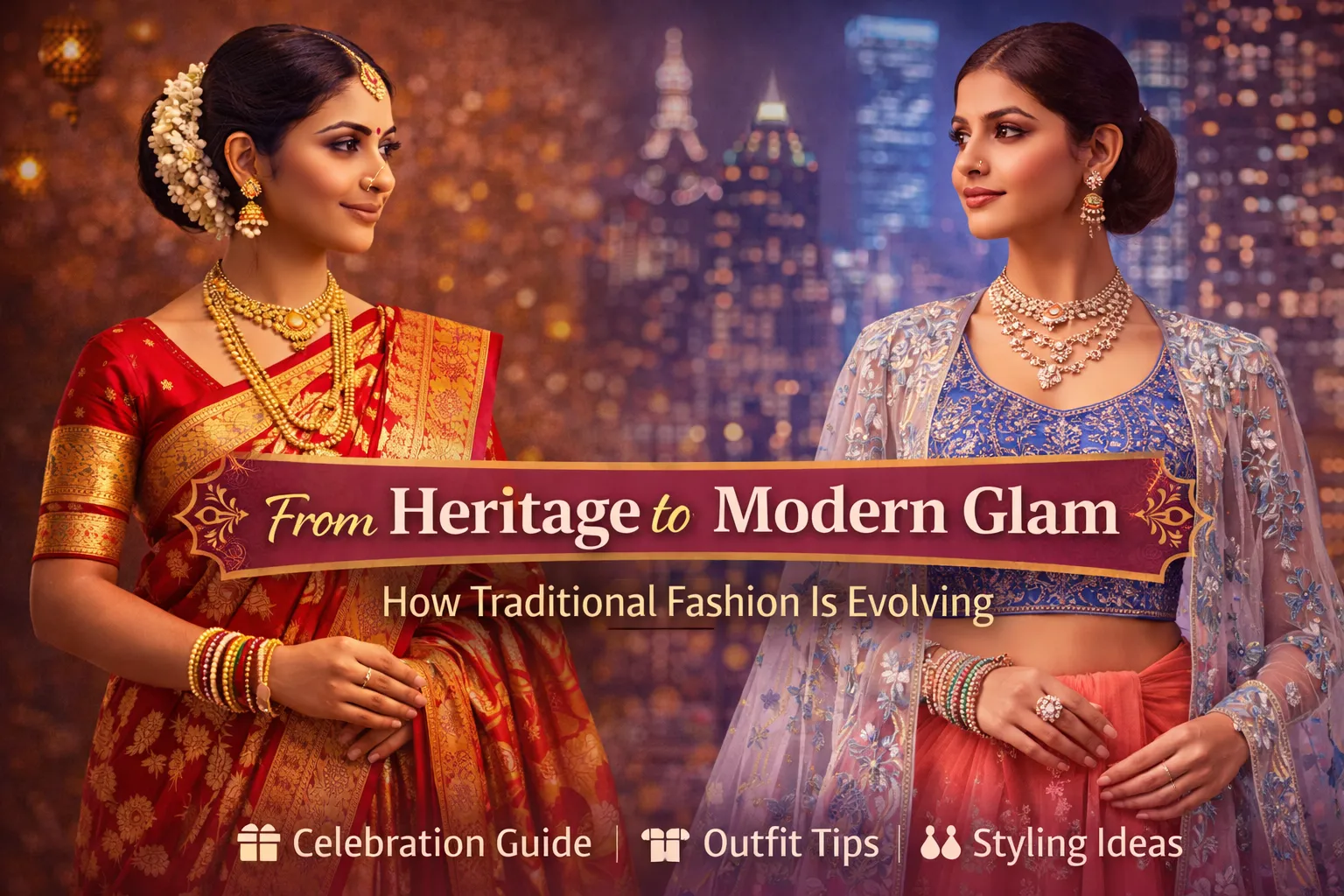
From Heritage to Modern Glam: How Traditional Fashion Is Evolving
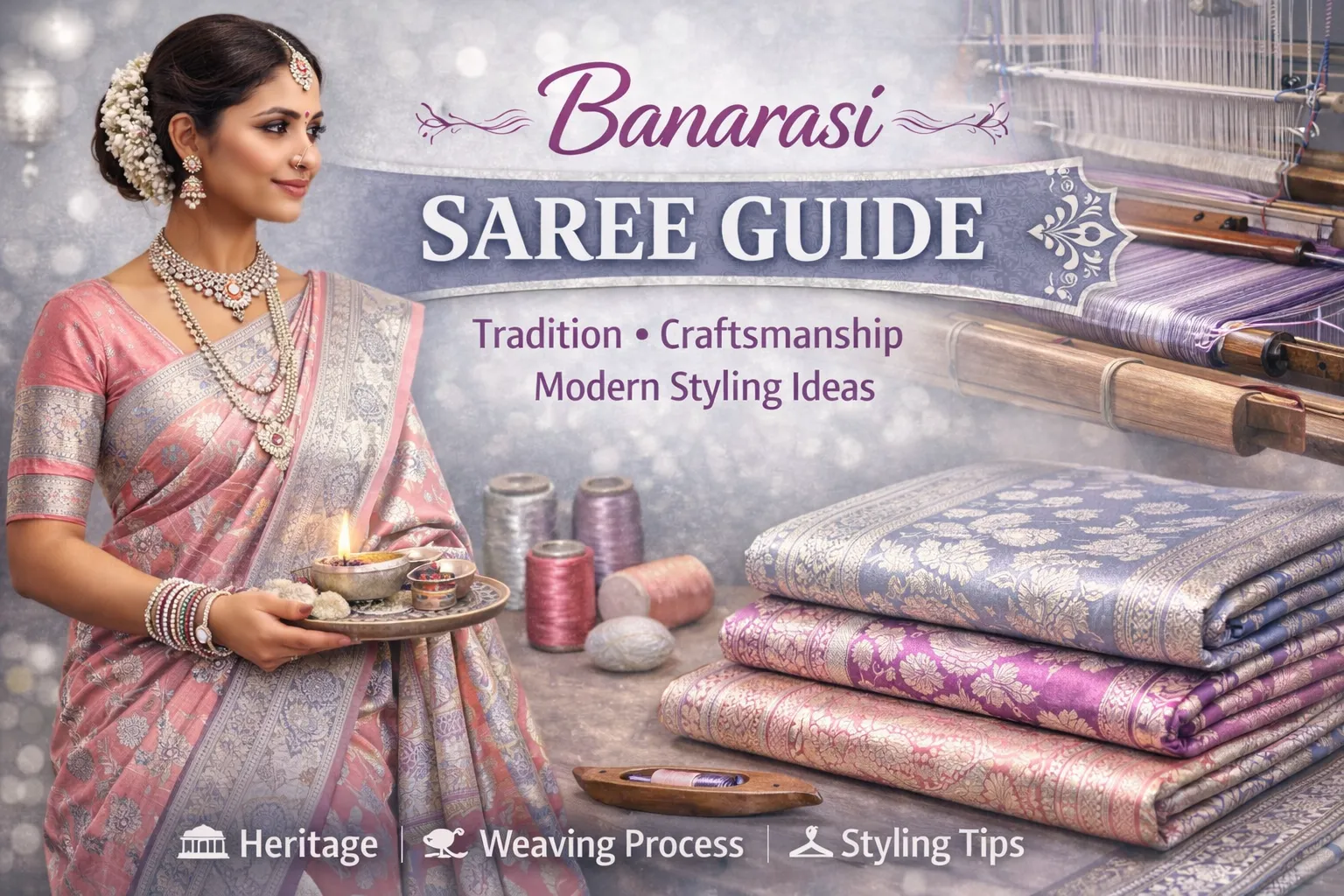
Banarasi Saree Guide: Tradition, Craftsmanship, and Modern Styling Ideas
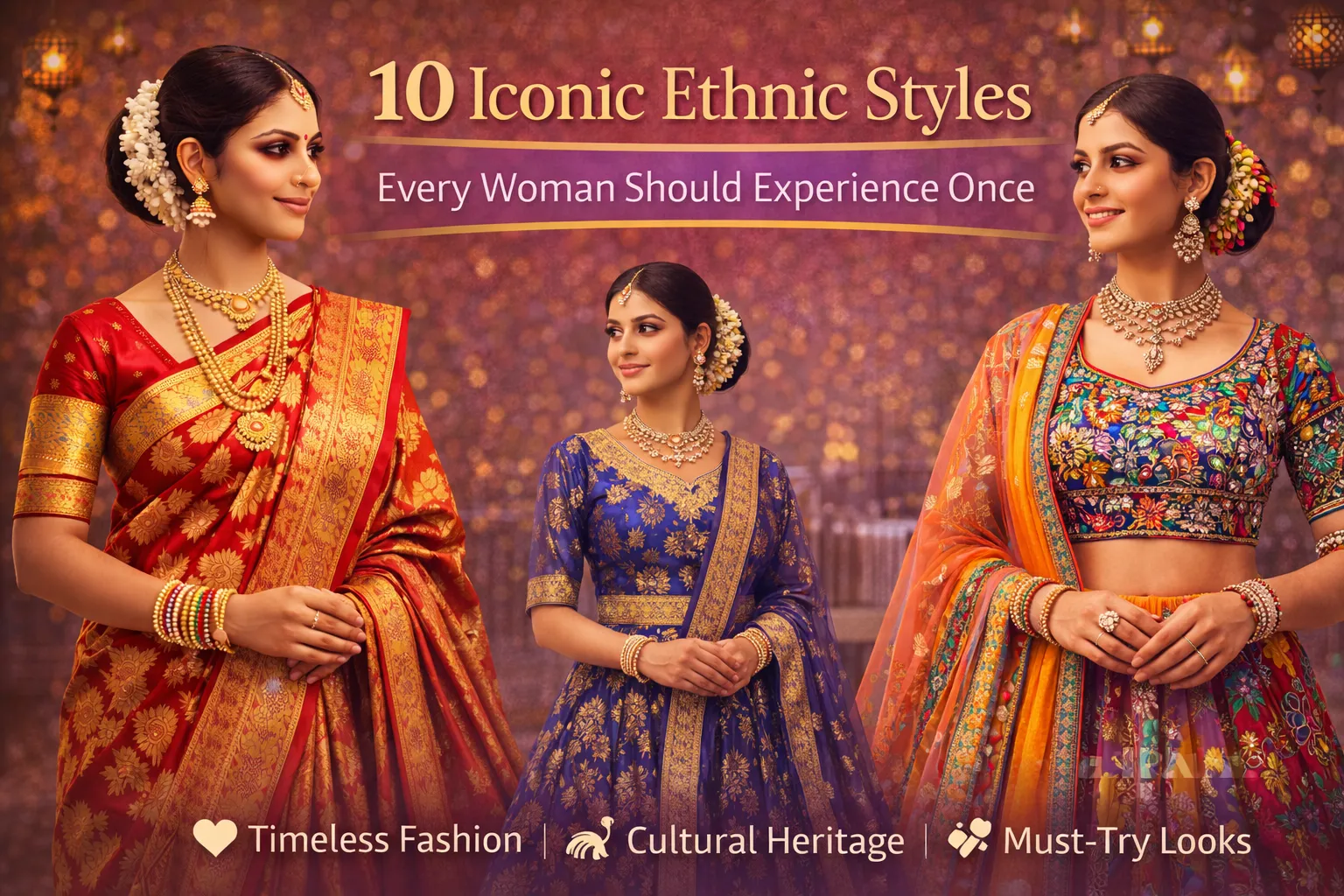
10 Iconic Ethnic Styles Every Woman Should Experience Once
About Author
