How to Choose the Perfect Traditional Saree for Festivals
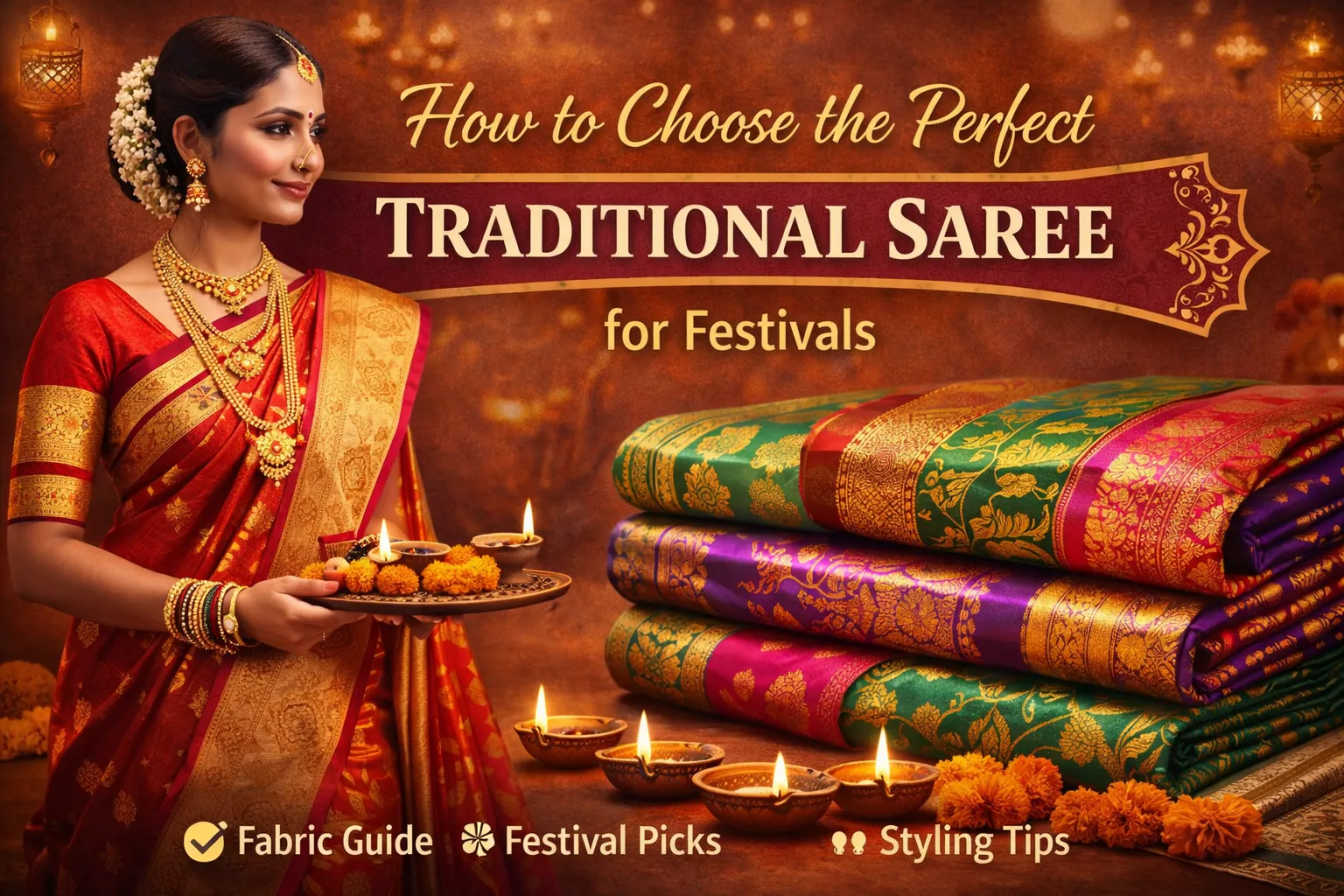
Festivals in India bring a special kind of joy, don’t they? The air fills with the scent of sweets, the sound of laughter, and that unmistakable excitement of dressing up. For many women, slipping into a traditional saree is like wrapping yourself in a piece of heritage that makes you feel connected to your roots. Whether it’s Diwali’s glow, Navratri’s dances, or a family wedding, a well-chosen traditional saree can make you stand out and feel confident. But with so many options out there, picking the right one isn’t always straightforward. That’s why understanding how to choose the perfect traditional saree for festivals matters—it helps you blend tradition with your personal style without overspending or regretting your choice.
I’ve spent over a decade writing about Indian fashion, from the timeless elegance of ethnic wear to modern twists on classics. In this guide, we’ll walk through everything you need to know to select a traditional saree that suits the occasion, flatters your body, and lasts for years. We’ll cover fabrics, colors, styling ideas, and even some smart buying tips. By the end, you’ll feel ready to make a decision that celebrates both the festival and your unique self. Let’s dive in and make your next festive look unforgettable.
Understanding Different Types of Traditional Sarees
When it comes to festivals, the type of traditional saree you choose sets the tone for your outfit. Each region in India offers its own variety, rich in history and craftsmanship. For example, a Banarasi saree from Uttar Pradesh shines with its intricate gold and silver zari work, perfect for grand celebrations like weddings or Diwali poojas.
On the other hand, a Kanjeevaram from Tamil Nadu brings a luxurious silk feel with bold motifs inspired by temples. These are ideal for formal festivals where you want to exude elegance. If you’re eyeing something lighter, consider a Chanderi saree from Madhya Pradesh—its sheer texture and subtle sheen make it great for daytime events like Holi gatherings.
Don’t overlook the Bandhani from Gujarat or Rajasthan, known for its tie-dye patterns that add a vibrant, playful touch to Navratri nights. The key is matching the saree’s origin to the festival’s vibe. A heavier silk traditional saree works for winter festivities, while cotton or lighter weaves suit warmer occasions.
Key Factors in Selecting Fabrics for Your Traditional Saree
Fabric is the heart of any traditional saree, influencing how it drapes, feels, and holds up during long festival hours. Silk remains a top choice for its rich luster and durability, but pure silk can be pricey and heavy. For a balance, georgette or chiffon blends offer flowy comfort without sacrificing that festive sparkle.
Cotton sarees, especially those with hand-block prints, are breathable and practical for outdoor festivals like Ganesh Chaturthi processions. They absorb sweat well and keep you cool. If you’re after something opulent, brocade fabrics with metallic threads elevate a simple drape into something regal.
Think about the weather too—wool blends for cooler Durga Puja evenings, or lightweight crepe for humid Onam celebrations. Always touch the fabric if shopping in person; it should feel smooth yet sturdy. A good traditional saree fabric enhances your movements, whether you’re lighting diyas or joining a garba circle.
Comparison of Popular Fabrics for Festival Sarees
Here’s a quick table to help you compare common fabrics used in traditional sarees:
| Fabric Type | Weight | Best For | Price Range (INR) | Durability |
|---|---|---|---|---|
| Silk | Heavy | Evening poojas, weddings | 5,000–20,000 | High |
| Cotton | Light | Daytime festivals, dances | 1,000–5,000 | Medium |
| Georgette | Medium | Casual gatherings | 2,000–8,000 | Medium |
| Chiffon | Light | Outdoor events | 1,500–6,000 | Low |
| Brocade | Heavy | Formal occasions | 4,000–15,000 | High |
This table shows how each fabric fits different needs, helping you pick based on your festival plans and budget.
Styling Tips to Make Your Traditional Saree Shine
Styling a traditional saree is where the fun begins. Start with the drape— a classic Nivi style from South India offers a neat, pleated look that’s easy for beginners. For a modern twist, try the Gujarati seedha pallu, which lets intricate borders show off during dances.
Pair it with accessories that complement without overwhelming. A statement necklace or jhumkas can highlight the saree’s embroidery, while a simple bindi keeps things grounded. Blouses matter too; opt for cropped styles in contrasting colors for youthful vibes, or full-sleeved ones for modesty during religious rituals.
For festivals, experiment with belts to cinch the waist or add a dupatta for extra layers. Remember, comfort is key—ensure the petticoat fits snugly to avoid slips. With these tips, your traditional saree becomes more than clothing; it’s an expression of your personality.
Occasion-Based Suggestions for Traditional Sarees
Festivals vary, so tailor your traditional saree accordingly. For Diwali, go for deep reds or golds in silk to match the lights and fireworks. Navratri calls for bright yellows or greens in lightweight fabrics that allow free movement during dandiya.
During Eid, subtle pastels in chiffon with minimal embroidery offer grace and ease. Weddings demand richer options like maroon Banarasi with heavy zari for that bridal party feel. For Pongal or Sankranti, earthy tones in cotton reflect the harvest theme.
Always consider the time of day—darker shades for evenings, lighter for mornings. This way, your saree aligns with the festival’s energy, making you feel part of the celebration.
Budget Considerations When Buying a Traditional Saree
Budget plays a big role in choosing a traditional saree. Entry-level options start around 1,000 INR for basic cotton weaves, while handcrafted silks can reach 20,000 INR or more. Set a range based on how often you’ll wear it—if it’s for multiple festivals, invest in quality.
Look for sales during festive seasons or online platforms offering authentic pieces at discounts. Handloom cooperatives often provide value without the markup. Remember, a mid-range traditional saree (3,000–7,000 INR) can look stunning with smart styling, proving you don’t need to break the bank for elegance.
Common Mistakes to Avoid When Choosing a Traditional Saree
One big mistake is ignoring body type—a petite frame might drown in heavy fabrics, while taller women can carry bold patterns better. Another is overlooking quality; cheap synthetics fade quickly and feel uncomfortable.
Don’t buy without trying the drape—online photos can deceive. Skipping color matching to your skin tone can make the saree look dull. Finally, forgetting maintenance needs leads to regrets; delicate sarees require special care.
Avoid these, and your traditional saree will serve you well for years.
Pro Tips from a Fashion Expert
As someone who’s covered countless fashion trends, here are my pro tips for selecting a traditional saree:
- Always check for authentic labels like Handloom Mark to ensure genuine craftsmanship.
- Mix eras: Pair a vintage saree with contemporary jewelry for a fresh look.
- Test in natural light—colors can shift under store bulbs.
- Invest in versatile pieces that transition from festivals to casual outings.
- Seek advice from local weavers if possible; their insights are invaluable.
These small steps elevate your choice from good to great.
Things to Consider Before Buying a Traditional Saree
Before you purchase, reflect on your lifestyle. How often will you wear it? Frequent use calls for durable fabrics. Consider storage space—silks need careful folding to avoid creases.
Think about versatility: Can it pair with different blouses? Factor in alterations; some sarees need hemming. Lastly, research the seller’s return policy, especially online, to avoid buyer’s remorse.
Care & Maintenance Tips for Your Traditional Saree
To keep your traditional saree looking fresh, dry clean silks and brocades to preserve threads. For cottons, gentle hand washing in cold water works best—avoid harsh detergents.
Store them rolled or folded in muslin cloth away from direct sunlight to prevent fading. Iron on low heat, and use moth repellents for natural fabrics. Regular airing prevents musty smells, ensuring your saree stays festival-ready.
Frequently Asked Questions (FAQs)
- What is the best fabric for a beginner in traditional sarees? Cotton or georgette are great starters—they’re easy to drape and comfortable for long wear.
- How do I know if a traditional saree is authentic? Look for handloom certifications or buy from reputed sellers; feel the texture for natural fibers.
- Can I wear a traditional saree to non-Indian festivals? Absolutely, as long as it fits the dress code—pair it simply for a fusion look.
- What’s the ideal length for a traditional saree? Around 5.5 to 6 meters works for most women, allowing proper pleats and pallu.
- How can I make an old traditional saree feel new for festivals? Update with a new blouse or accessories; a quick dry clean revives the shine.
In wrapping up, choosing the perfect traditional saree for festivals is about balancing tradition, comfort, and your personal flair. With the right fabric, style, and care, it becomes a cherished part of your wardrobe that brings joy to every celebration. Trust your instincts, try a few options, and step out with confidence. Festivals are for creating memories, and the right saree helps you do just that. Happy styling!
How to Choose the Perfect Traditional Outfit for Special Occasions
10 Iconic Ethnic Styles Every Woman Should Experience Once
Classic Ethnic Wardrobe Essentials for Every Celebration
About Author
