From Heritage to Modern Glam: How Traditional Fashion Is Evolving
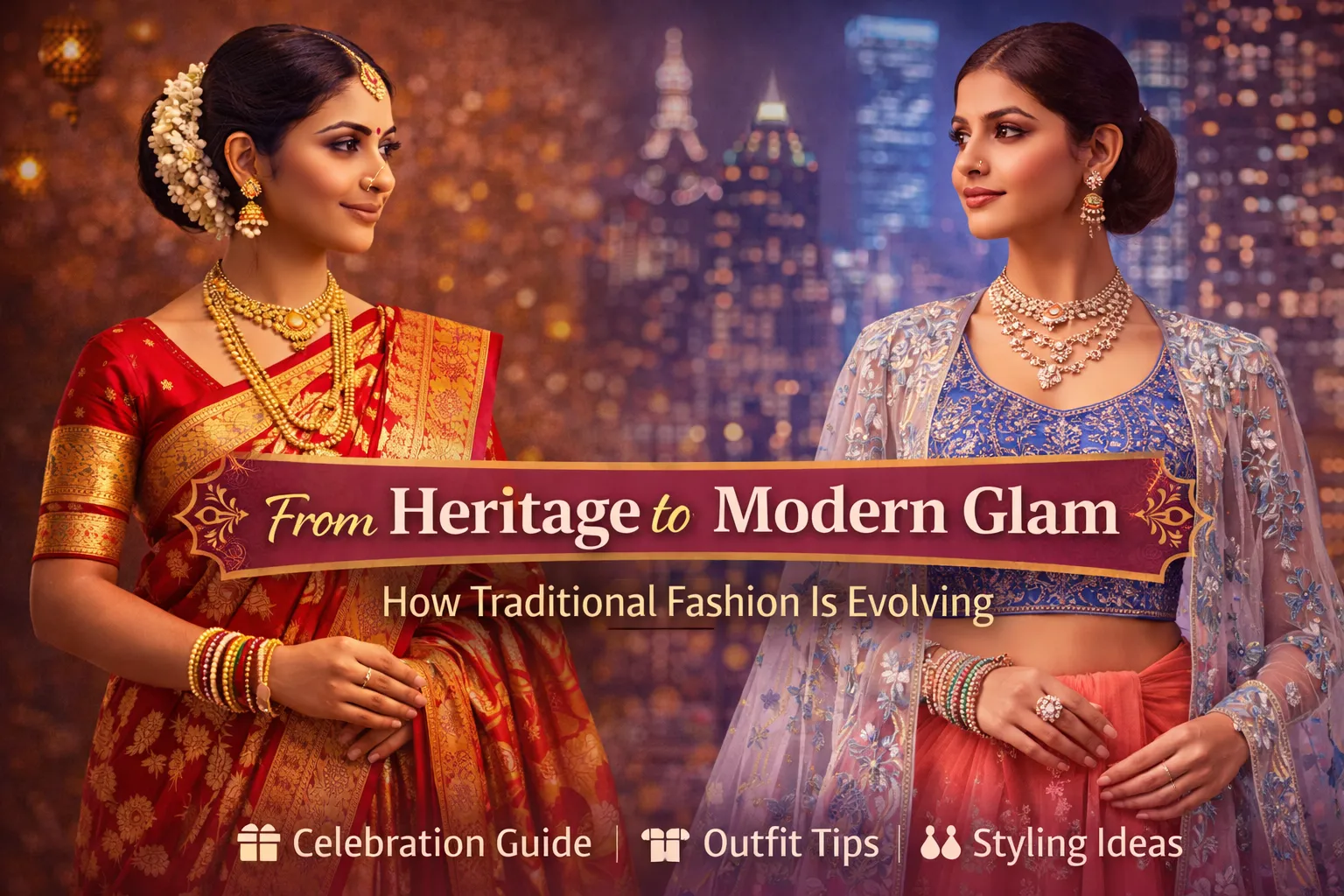
Have you ever slipped into a saree that belonged to your grandmother and felt an instant connection to your roots? That’s the magic of traditional fashion—it’s more than just clothing; it’s a story woven into every thread. In today’s fast-paced world, traditional fashion is not fading away but evolving beautifully, blending heritage with contemporary flair. Women across India and beyond are rediscovering how these timeless pieces can fit into modern lifestyles, whether for a casual outing or a grand celebration. This evolution matters because it allows us to honor our cultural identity while embracing change. It empowers you to make smart style choices that feel authentic and fresh. As someone who’s spent over a decade writing about Indian fashion, I’ve seen how traditional fashion bridges generations, offering comfort, elegance, and versatility. Let’s explore how it’s transforming from heritage staples to modern glam, with tips to help you navigate this exciting shift.
The Roots of Traditional Fashion
Traditional fashion in India draws from centuries-old crafts and regional influences. Think of the intricate weaves from Banaras or the vibrant block prints from Rajasthan—these elements define what makes ethnic wear so special. Sarees, salwar kameez, and lehengas have long symbolized grace and cultural pride.
But why does this foundation still resonate? It’s because traditional fashion prioritizes quality fabrics like silk, cotton, and chiffon, which offer breathability and durability. These materials aren’t just practical; they carry stories of artisans who pour their skills into each piece.
As we move forward, understanding these roots helps appreciate the modern adaptations. Traditional fashion isn’t static—it’s a living tradition that adapts to new tastes while preserving its essence.
Modern Twists on Classic Pieces
The beauty of today’s traditional fashion lies in its fusion with modern elements. Designers are experimenting boldly, turning age-old garments into everyday essentials.
Take sarees, for instance. Once reserved for special occasions, they’re now styled with crop tops or belts for a chic, urban look. This blend keeps the cultural charm intact while adding a glamorous edge.
Ethnic wear like kurtis and anarkalis is also getting a makeover. Pairing them with jeans or sneakers creates outfits that transition seamlessly from work to weekend outings. It’s all about mixing textures and patterns to reflect personal style.
Sarees Reimagined: From Classic to Contemporary
Sarees remain at the heart of traditional fashion, but their evolution is remarkable. Modern versions incorporate lighter fabrics like georgette or organza, making them easier to drape and wear.
For a glam touch, opt for pre-stitched sarees that save time without compromising elegance. These are perfect for busy women who want the look without the hassle.
Styling tip: Layer a traditional Banarasi saree with a denim jacket for an unexpected twist. This not only modernizes the outfit but also makes it suitable for cooler evenings.
Ethnic Wear for Everyday Glam
Traditional fashion isn’t just for festivals anymore. Everyday ethnic wear, like palazzo suits or printed kurtas, offers comfort with a stylish upgrade.
Choose breathable cotton blends for daily wear—they’re affordable and versatile. For glam, add metallic accessories or embroidered details that elevate the simplest piece.
Budget-wise, you can find quality options starting from 1,000 rupees online or in local markets. The key is investing in pieces that mix well with your existing wardrobe.
Styling Tips for Blending Heritage and Modernity
Blending traditional fashion with modern glam starts with balance. Don’t overwhelm an outfit; let one element shine.
- Start with accessories: Pair a silk saree with minimalist jewelry for a clean, contemporary vibe.
- Experiment with colors: Move beyond reds and golds—try pastels or neutrals for a fresh take.
- Footwear matters: Swap juttis for heels to add height and sophistication.
- Layer smartly: A traditional dupatta over a western top creates instant fusion.
These tips make traditional fashion approachable, helping you create looks that feel uniquely yours.
Occasion-Based Suggestions for Traditional Fashion
Different events call for tailored approaches to traditional fashion.
For weddings, go for richly embroidered lehengas in silk— they offer movement and shine under lights. Budget around 5,000 to 15,000 rupees for something reusable.
Office settings? A subtle cotton saree with a blouse in solid colors keeps it professional yet cultural. Add a watch or scarf for modern flair.
Casual brunches suit printed ethnic kurtis with leggings—comfortable and under 2,000 rupees. The evolution here means you can adapt pieces for any occasion without starting from scratch.
Common Mistakes to Avoid in Traditional Fashion
Even seasoned fashion lovers slip up sometimes. One big mistake is ignoring body type— not every drape flatters everyone.
Another is over-accessorizing, which can make an outfit look cluttered. Stick to two or three pieces max.
Forgetting fabric care is common too; harsh washing fades colors quickly. Also, avoid cheap synthetics—they don’t breathe well and lose shape fast.
By steering clear of these, you’ll make smarter choices that enhance your traditional fashion journey.
Pro Tips for Mastering Evolving Traditional Fashion
As a fashion writer with years in the field, here are my go-to pro tips.
First, invest in versatile basics like a neutral saree or kurta set—they form the base for endless styles.
Second, follow sustainable brands that use natural dyes; they’re better for your skin and the environment.
Third, try DIY customizations, like adding lace to an old salwar for a modern update.
Fourth, shop during sales for high-quality pieces at lower prices.
Finally, confidence is key—wear what feels right, and the glam follows naturally.
Traditional vs. Modern Saree Styles: A Quick Comparison
To help visualize the evolution, here’s a simple comparison table between classic and contemporary saree options.
| Aspect | Traditional Saree | Modern Saree |
|---|---|---|
| Fabric | Heavy silk or cotton | Lightweight georgette or blends |
| Draping | Classic pleats, time-consuming | Pre-stitched or easy-wrap styles |
| Occasions | Festivals, weddings | Everyday, parties, work |
| Price Range | 3,000–20,000 rupees | 1,500–10,000 rupees |
| Styling | Heavy jewelry, traditional blouses | Minimal accessories, fusion tops |
This table shows how traditional fashion adapts without losing its core appeal.
Things to Consider Before Buying Traditional Fashion Pieces
Before adding to your wardrobe, think carefully.
Check the fabric quality—feel for smoothness and weight to ensure longevity.
Consider your lifestyle: If you’re active, pick wrinkle-resistant materials.
Budget is crucial; set a limit and compare options from multiple sellers.
Size and fit matter—online buys often have return policies, so use them.
Lastly, read reviews for authenticity, especially for handloom items.
Care & Maintenance Tips for Your Traditional Fashion Wardrobe
Proper care keeps traditional fashion looking new.
Always hand-wash silk sarees in cold water with mild detergent to prevent shrinkage.
For cotton ethnic wear, machine wash on gentle cycle but air-dry to avoid fading.
Store in breathable bags away from direct sunlight.
Iron on low heat, and for embroidered pieces, turn inside out.
Regular dry-cleaning for heavy items extends their life—do it every few wears.
Frequently Asked Questions
- What makes traditional fashion relevant today? It’s evolving to fit modern needs, offering comfort and style for daily life while preserving cultural roots.
- How can I style a saree for work? Choose lightweight fabrics, pair with a simple blouse, and add a belt for a structured look that’s professional.
- Are modern ethnic wear options affordable? Yes, many start under 2,000 rupees, especially from online platforms or local artisans.
- What’s the best fabric for beginner saree wearers? Cotton or chiffon—they’re forgiving, easy to drape, and comfortable for all-day wear.
- How do I avoid common buying mistakes? Focus on quality over trends, check sizing charts, and buy from reputable sources to ensure value.
In wrapping up, the journey of traditional fashion from heritage to modern glam shows how timeless pieces can adapt and thrive. It’s about celebrating your roots while stepping confidently into the present. Whether you’re draping a saree or mixing ethnic elements into your daily outfits, remember that the best choices come from what feels true to you. Embrace this evolution, experiment a little, and watch your style bloom with grace and ease.
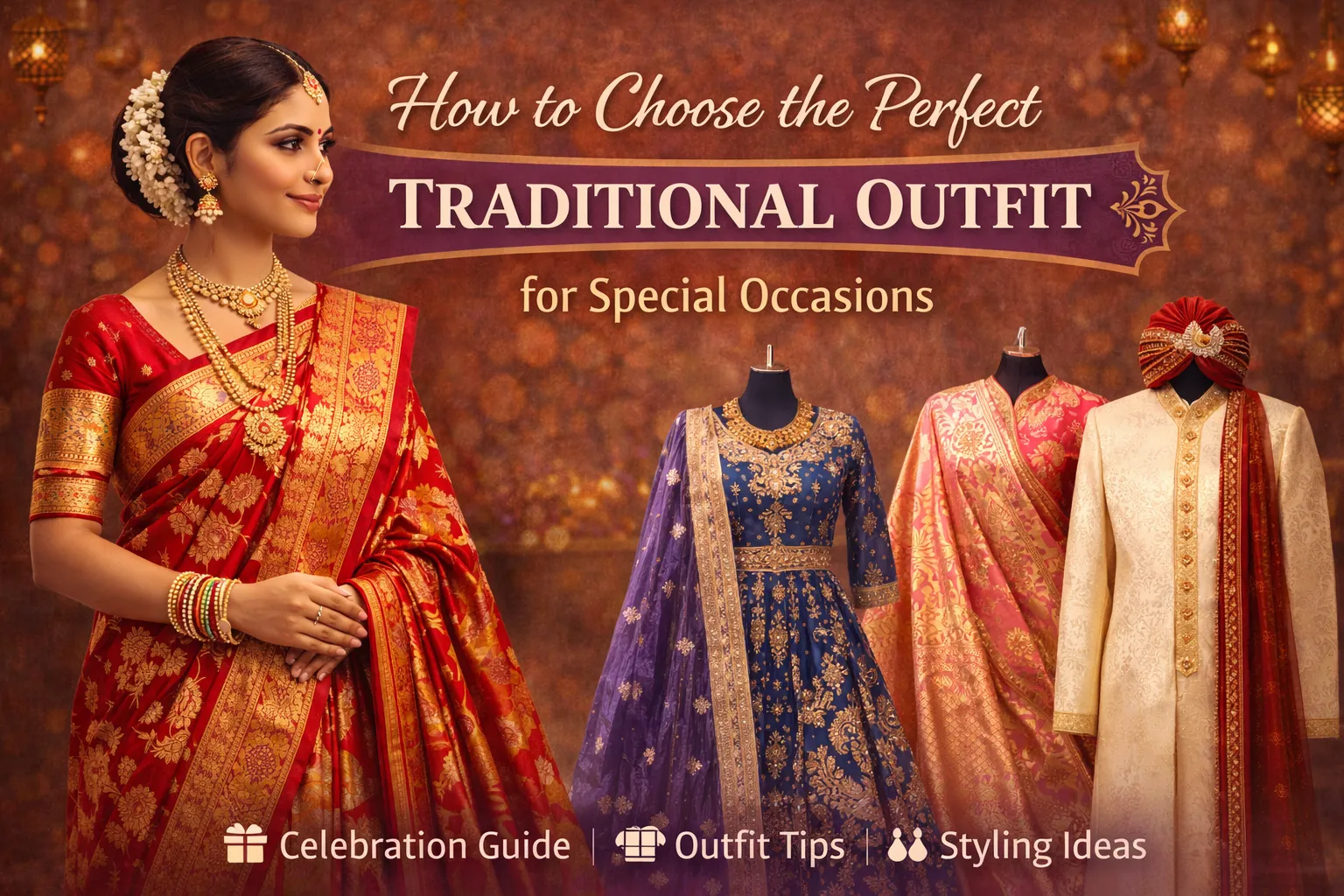
How to Choose the Perfect Traditional Outfit for Special Occasions
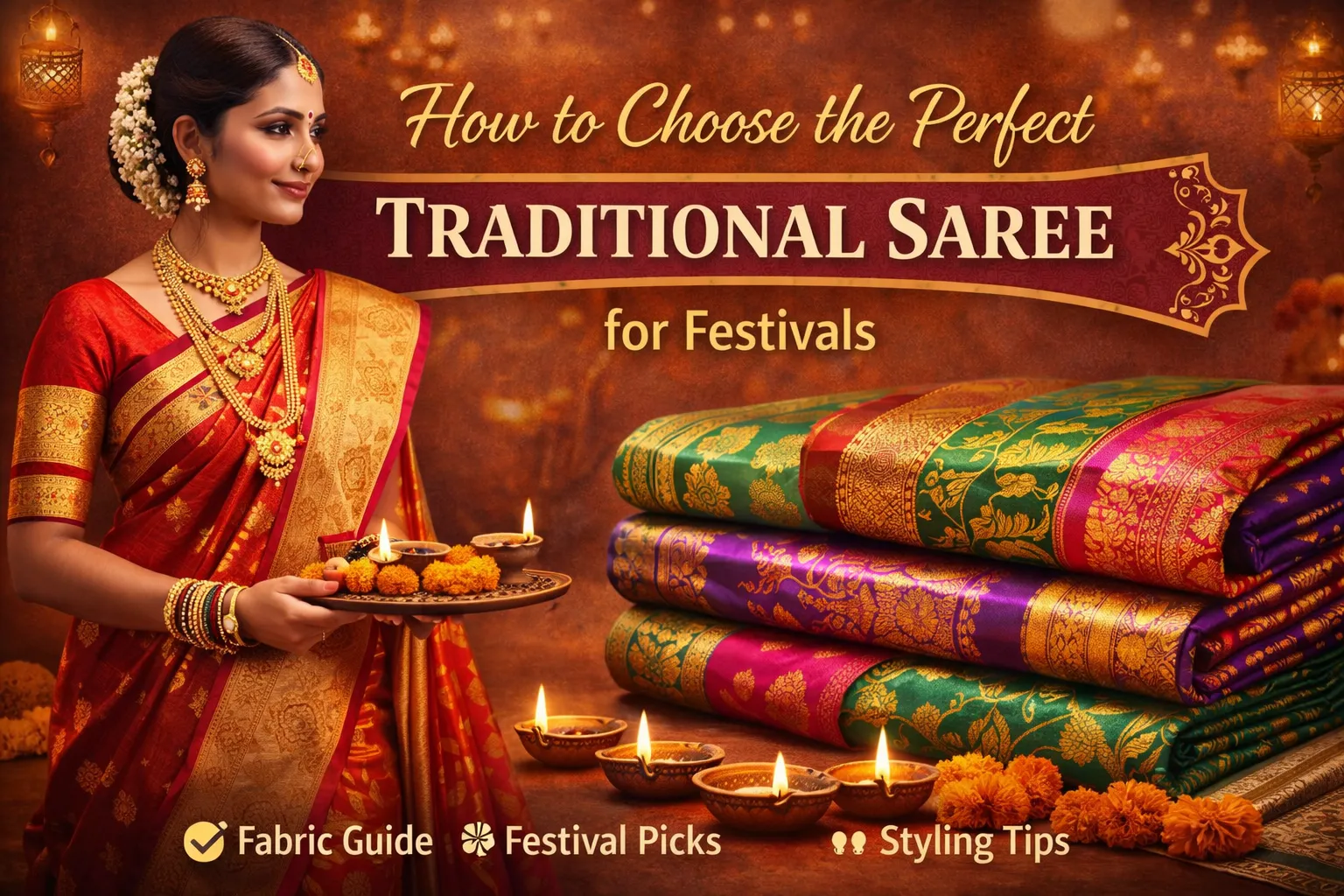
How to Choose the Perfect Traditional Saree for Festivals
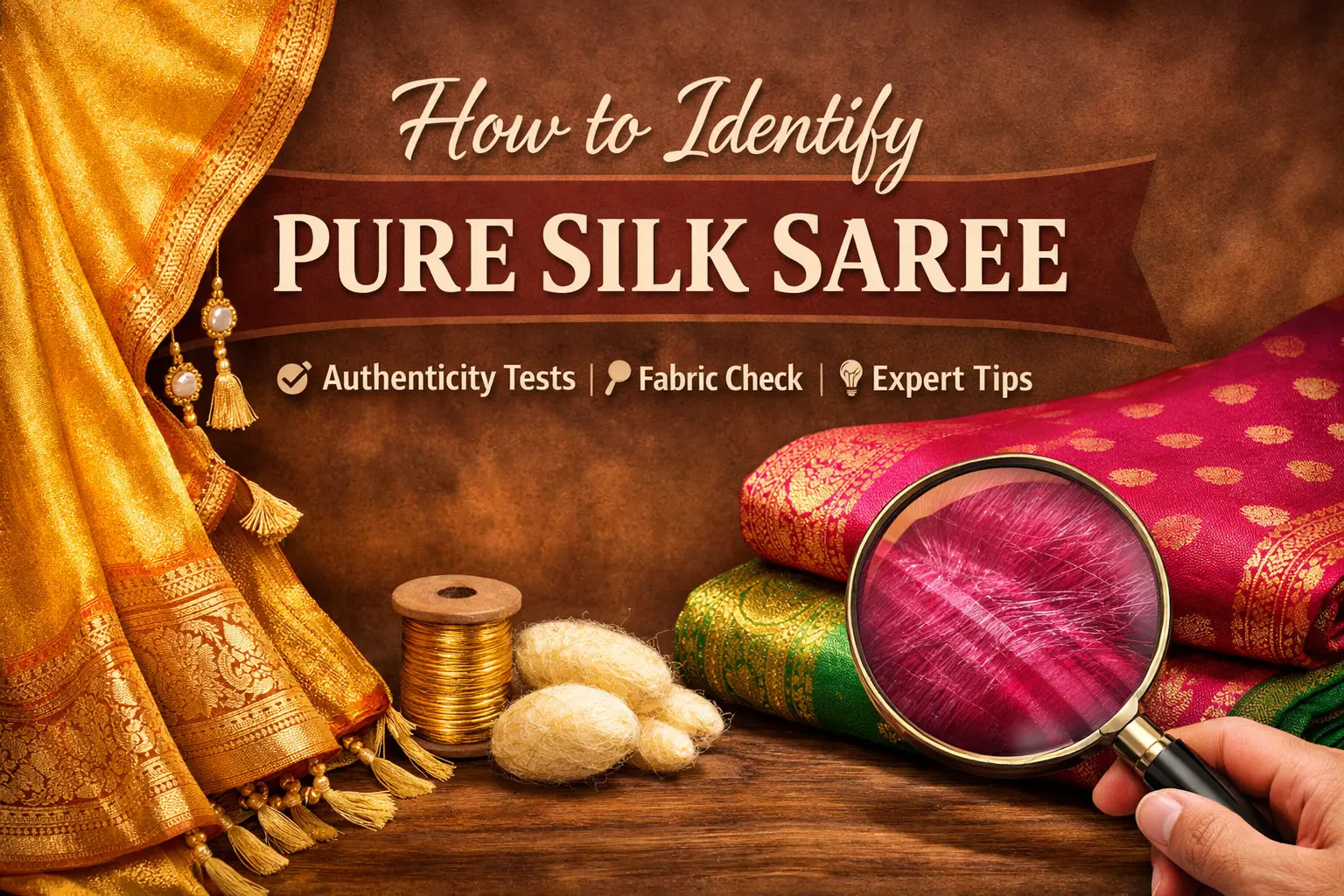
How to Identify a Pure Silk Saree : Your Ultimate Buying Guide
About Author
