Timeless Elegance: Traditional Indian Fashion That Never Goes Out of Style
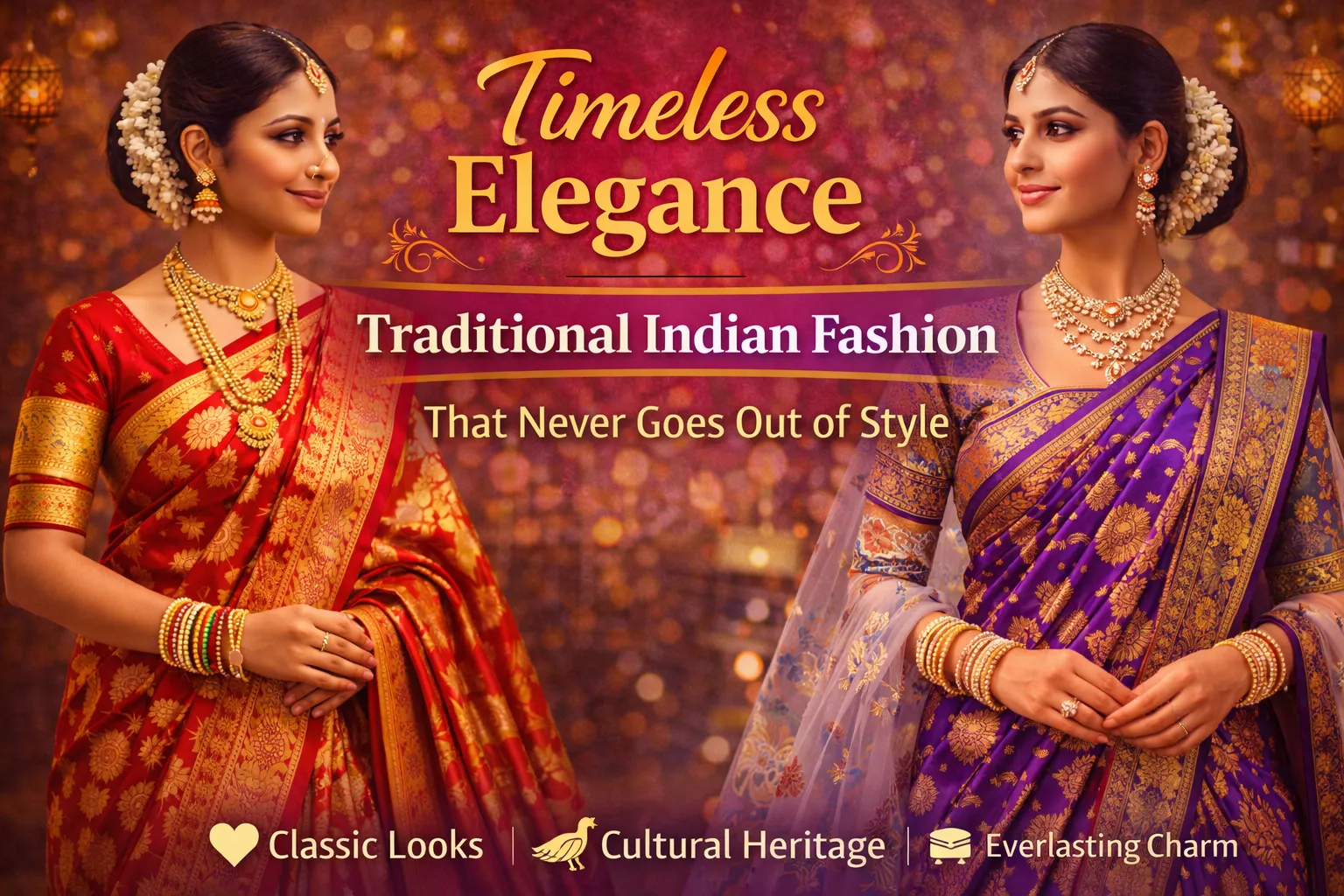
Have you ever stood in front of your wardrobe, wondering what to wear that feels both comfortable and elegant? For many women, traditional Indian fashion holds the answer. It’s more than just clothing; it’s a connection to our roots, a way to celebrate heritage while feeling confident in the modern world. Traditional Indian fashion has this magical ability to make you feel timeless, whether you’re heading to a family gathering or a casual outing. In a fast-paced world where trends come and go, these classic styles remain relevant, offering versatility and grace that never fade.
Think about it: slipping into a saree or a salwar kameez isn’t just about dressing up. It’s about embracing stories woven into fabrics, colors that reflect festivals, and designs that honor generations. Why is traditional Indian fashion so important today? Because it empowers women to blend culture with personal style, creating looks that are unique yet familiar. As someone who’s spent over a decade writing about Indian fashion, I’ve seen how these pieces help women navigate life’s moments with poise. In this article, we’ll explore the enduring appeal of traditional Indian fashion, from key outfits to practical tips, so you can make informed choices that suit your lifestyle.
The Essence of Traditional Indian Fashion
Traditional Indian fashion draws from a rich tapestry of history and regional influences. From the flowing sarees of the south to the embroidered kurtas of the north, each piece tells a story of craftsmanship and cultural pride. What makes it timeless? Its adaptability. You can wear a simple cotton saree for daily errands or elevate it with silk for evenings out.
At its core, traditional Indian fashion emphasizes comfort without sacrificing beauty. Fabrics like cotton and linen keep you cool in humid weather, while intricate handlooms add a touch of artistry. For women interested in ethnic wear, understanding this essence helps in building a wardrobe that lasts beyond seasons.
Iconic Pieces That Define Traditional Indian Fashion
Let’s dive into the staples. The saree is perhaps the most iconic element of traditional Indian fashion. This six-yard wonder drapes elegantly, suiting all body types. Whether it’s a Kanjeevaram for weddings or a Chanderi for brunches, sarees offer endless variety.
Then there’s the salwar kameez, a practical choice for everyday wear. With a tunic top, loose pants, and dupatta, it’s ideal for work or travel. Lehengas, on the other hand, shine at celebrations, featuring flared skirts and ornate blouses. These pieces aren’t just clothes; they’re investments in style that evolve with you.
Don’t forget anarkalis or kurtis, which blend tradition with modernity. Pair a long kurti with jeans for a fusion look, proving traditional Indian fashion isn’t rigid—it’s flexible.
Styling Tips for Traditional Indian Fashion
Styling traditional Indian fashion is all about balance. Start with accessories: minimal jhumkas and bangles enhance a saree without overwhelming it. For a salwar kameez, opt for mojari shoes to add an ethnic flair.
Occasion matters too. For office settings, choose muted colors like beige or navy in cotton fabrics. At weddings, go bold with reds and golds in silk. Layering is key—drape a dupatta creatively over a lehenga for added drama.
Pro tip: Mix textures. A plain silk saree with an embroidered blouse creates interest. Remember, confidence is your best accessory; wear what feels right to you.
Fabrics That Bring Traditional Indian Fashion to Life
Fabrics are the heart of traditional Indian fashion. Cotton is breathable and affordable, perfect for summer days. Silk, like Banarasi or Mysore, adds luxury for special events, with its sheen catching the light beautifully.
Chiffon and georgette offer flowy elegance for lehengas, while wool blends work for winter ethnic wear. Handloom fabrics, such as Ikat or Jamdani, support artisans and provide unique patterns. When shopping, feel the texture—good quality lasts longer and feels better on the skin.
Budget-wise, start with cotton pieces under 2000 rupees for beginners. Invest in silk for heirloom items that can be passed down.
Occasion-Based Suggestions for Traditional Indian Fashion
Traditional Indian fashion adapts seamlessly to different events. For festivals like Diwali, a vibrant saree in orange or yellow with mirror work captures the joy. Pair it with statement jewelry for a festive glow.
Casual outings? A printed salwar kameez in pastel shades keeps it light and easy. Weddings call for lehengas in rich hues, perhaps with zari embroidery for that royal touch.
For professional settings, a straight-cut kurta with churidar offers polish. The key is matching the outfit’s formality to the occasion, ensuring you feel at ease.
Common Mistakes to Avoid in Traditional Indian Fashion
One common pitfall is over-accessorizing. Too many pieces can clutter a look—stick to three key items. Another is ignoring fit; ill-fitting blouses ruin even the finest saree.
Don’t mix mismatched fabrics, like heavy silk with light cotton—it disrupts harmony. Also, avoid trends that clash with tradition, such as overly westernized cuts in ethnic wear.
Finally, skipping care routines leads to faded colors. Treat your outfits with respect, and they’ll reward you with longevity.
Pro Tips for Mastering Traditional Indian Fashion
As a fashion writer with years in the field, here are my go-to tips:
- Experiment with draping styles for sarees—try the Bengali or Gujarati way for variety.
- Invest in versatile dupattas; one can transform multiple outfits.
- Shop during sales for quality pieces without breaking the bank.
- Layer for seasons: add shawls in winter or lighter fabrics in summer.
- Personalize with custom embroidery to make traditional Indian fashion truly yours.
These small steps elevate your style effortlessly.
Comparing Sarees and Lehengas: Which Suits Your Occasion?
This table helps decide based on your needs. Sarees win for everyday elegance, while lehengas steal the show at grand events.
Things to Consider Before Buying Traditional Indian Fashion
Before adding to your collection, think about your body type. Pear-shaped figures suit flared lehengas, while hourglass ones shine in sarees.
Budget is crucial—set a limit and prioritize quality over quantity. Check for authentic labels, especially for handlooms, to support ethical practices.
Consider versatility: Will it mix with existing pieces? Also, factor in maintenance; delicate fabrics need special care.
Finally, try on outfits if possible. Online shopping? Read reviews and check return policies for a safe buy.
Care & Maintenance Tips for Traditional Indian Fashion
Proper care keeps traditional Indian fashion looking fresh. Always dry clean silks to preserve shine—hand washing can cause shrinkage.
For cottons, gentle machine wash in cold water works, but air dry to avoid fading. Store in muslin bags away from direct sunlight.
Iron on low heat, inside out, to protect embroidery. For lehengas, hang them to maintain shape.
Regular checks for loose threads prevent bigger issues. With these habits, your pieces will stay vibrant for years.
Frequently Asked Questions (FAQs)
- What makes traditional Indian fashion timeless? It’s the blend of cultural heritage and versatility that allows it to adapt to modern life without losing its charm.
- How can I style a saree for work? Choose lightweight cottons in solid colors, pair with a simple blouse, and drape neatly for a professional yet ethnic look.
- Is traditional Indian fashion expensive? Not necessarily—budget options start at 1000 rupees, while premium pieces go higher based on fabric and craftsmanship.
- Can I wear traditional Indian fashion daily? Absolutely! Comfortable options like kurtis and salwar kameez are perfect for everyday wear with minimal styling.
- How do I choose the right fabric for my climate? Opt for breathable cottons in hot areas and warmer wools or silks in cooler regions to stay comfortable.
In wrapping up, traditional Indian fashion stands as a beacon of enduring style, weaving together history, comfort, and personal expression. It reminds us that true elegance comes from pieces that resonate with who we are. By incorporating these tips into your choices, you’ll build a wardrobe that feels authentic and empowering. Embrace it with confidence, and let your style tell your story.
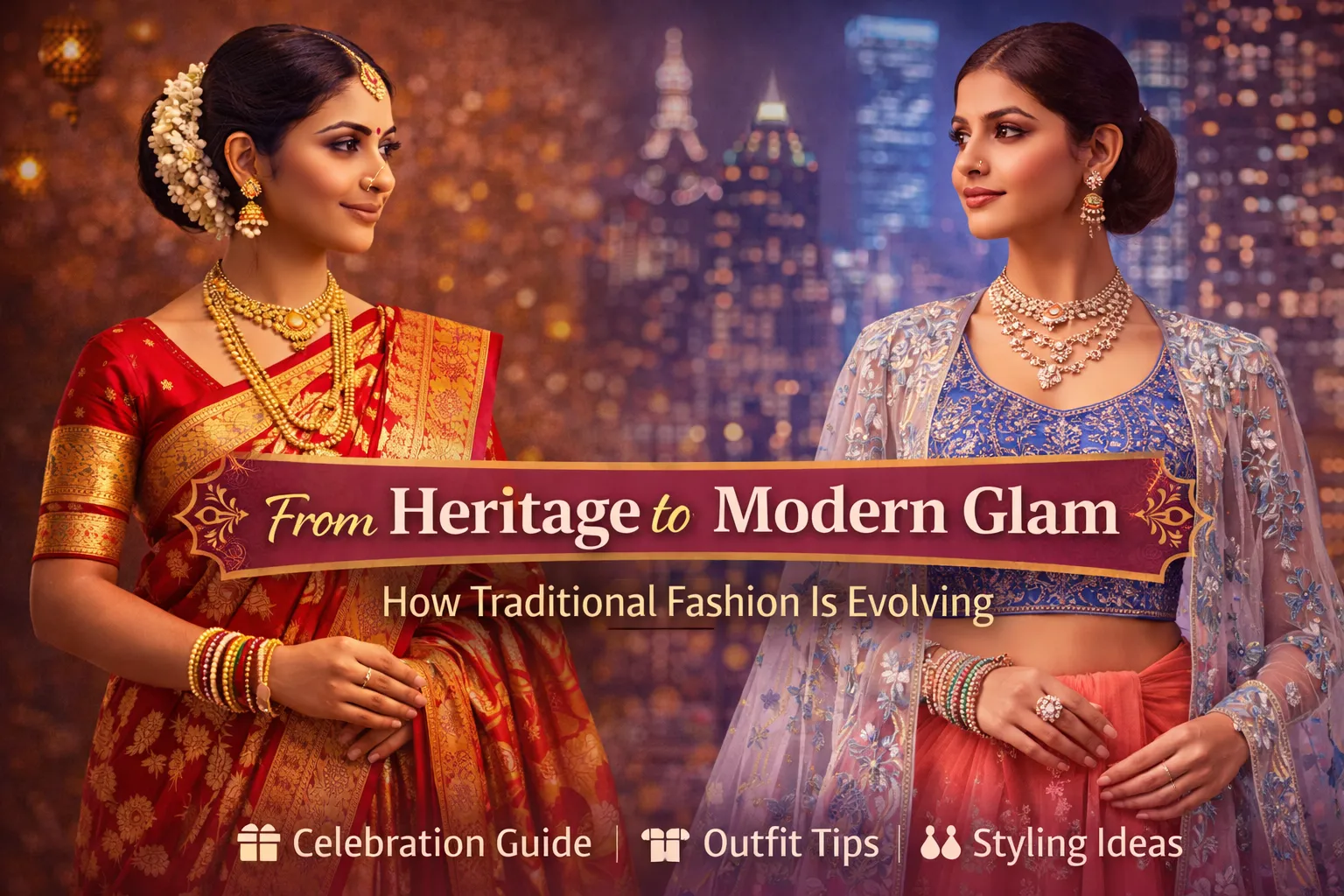
From Heritage to Modern Glam: How Traditional Fashion Is Evolving
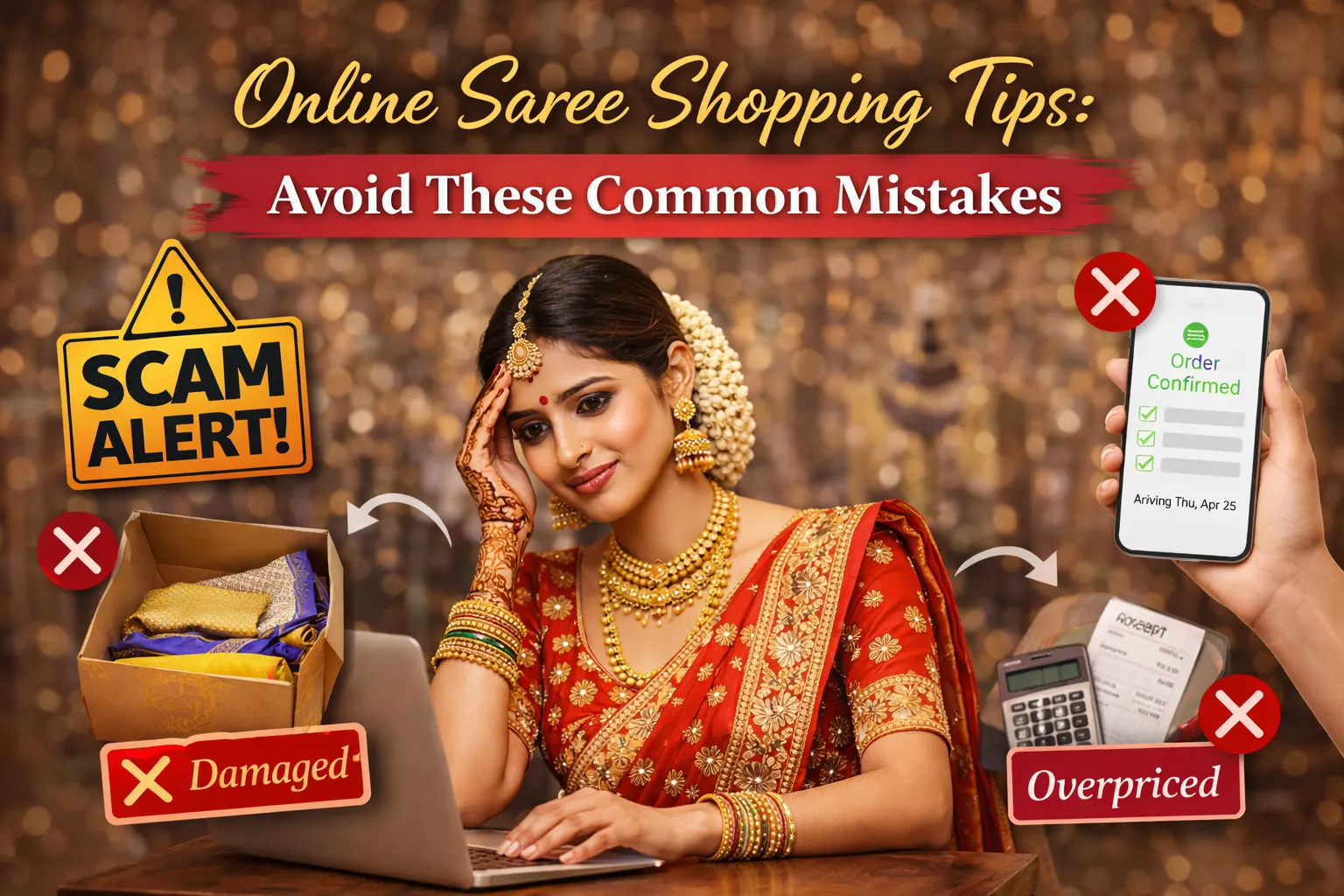
Online Saree Shopping Tips: Avoid These Common Mistakes

Morning vs Night Skincare Routine: What You Should Actually Follow in 2025
About Author
