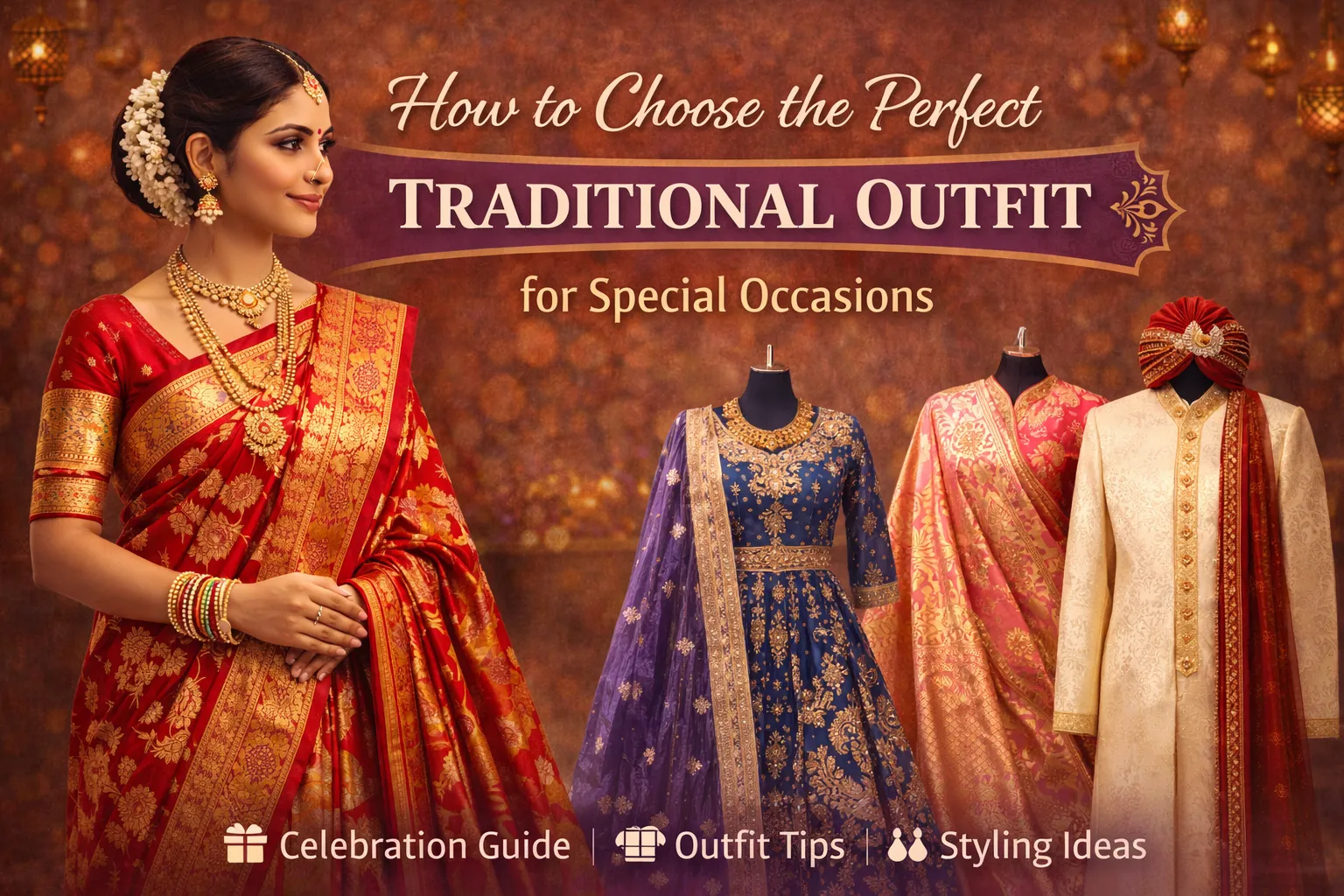
Special occasions have a way of bringing out the best in us, don’t they? Whether it’s a wedding, a festival, or a family gathering, dressing up in a traditional outfit can make you feel connected to your roots while boosting your confidence. As someone who’s spent over a decade writing about Indian fashion, I’ve seen how the right traditional outfit can turn heads and create lasting memories. But with so many options out there, from elegant sarees to vibrant lehengas, picking the perfect one isn’t always straightforward. It’s about more than just looking good—it’s about feeling comfortable, respecting cultural nuances, and making a choice that reflects your personal style.
Think about that moment when you walk into a room and everyone notices how effortlessly you’ve blended tradition with modernity. That’s the magic of a well-chosen traditional outfit. In a world where fast fashion tempts us with quick buys, taking time to select something meaningful helps you avoid regrets and invest in pieces that last. This guide will walk you through the essentials, from understanding the occasion to smart styling tips, so you can make informed decisions. Whether you’re a saree lover or exploring ethnic wear for the first time, let’s dive into how to find that ideal traditional outfit that makes every special event even more special.
Understanding the Occasion
The first step in choosing a traditional outfit is to match it to the event. Not all occasions call for the same level of grandeur, and getting this right sets the tone for your look.
For weddings, go for something opulent. A silk saree or a heavily embroidered lehenga works wonders, especially if you’re the bride’s sister or a close guest. These pieces often feature intricate zari work that catches the light beautifully during evening ceremonies.
Festivals like Diwali or Navratri demand vibrant energy. Opt for lighter fabrics in bright colors—think cotton kurtas with block prints or chanderi dupattas that allow easy movement for dancing.
Family gatherings or pujas might require subtlety. A simple salwar kameez in pastel shades keeps things elegant without overwhelming the intimate setting.
Selecting the Right Fabric for Comfort and Style
Fabric plays a huge role in how your traditional outfit feels and looks. It’s not just about aesthetics; it’s about practicality too.
Silk is a classic choice for formal events. It drapes elegantly and has a luxurious sheen, but remember it can feel heavy in hot weather. Reserve it for cooler seasons or air-conditioned venues.
Cotton and linen are perfect for daytime occasions. They’re breathable, easy to wear, and come in beautiful handloom varieties that support local artisans. These fabrics wrinkle less with proper care, making them ideal for travel-friendly outfits.
For a touch of glamour, consider georgette or chiffon. These flowy materials add movement to your ensemble, great for twirling in a lehenga during festivities. Just pair them with a sturdy inner lining to avoid transparency issues.
Color and Design Choices That Flatter
Colors in a traditional outfit can evoke emotions and suit different skin tones. Warm hues like red and gold are timeless for celebrations, symbolizing joy and prosperity.
If you have a fair complexion, deep jewel tones such as emerald or royal blue can make you stand out. For warmer skin tones, earthy shades like mustard or terracotta enhance your natural glow.
Design-wise, focus on balance. Minimalist motifs suit modern tastes, while bold embroidery appeals to those who love tradition. Always try on the outfit to see how the patterns align with your body shape—vertical lines elongate, while horizontal ones add volume.
Styling Tips to Elevate Your Look
Styling turns a good traditional outfit into a stunning one. Start with accessories that complement without clashing.
Layer a dupatta creatively—drape it over one shoulder for a saree or pin it asymmetrically on a kurta. This adds dimension and hides any minor fit issues.
Footwear matters too. Juttis or mojris in matching colors provide comfort for long events, while heels can add height if needed.
Don’t forget hair and makeup. Soft waves with fresh flowers enhance a romantic vibe, and a bindi or maang tikka ties everything together for an authentic feel.
- Mix modern elements: Pair a traditional blouse with high-waisted pants for a fusion twist.
- Balance jewelry: Heavy earrings with a light necklace prevent overload.
- Experiment with belts: A kamarband can cinch the waist for a defined silhouette.
Budget Considerations for Smart Shopping
Traditional outfits come in various price ranges, so set a realistic budget early. Entry-level pieces start at around 2,000 rupees for basic ethnic wear, while designer ones can go up to 50,000 or more.
Look for sales during festive seasons to snag quality items at discounts. Online platforms often offer better deals, but check return policies.
Invest in versatile pieces. A neutral-colored saree can be restyled for multiple occasions, giving better value than a one-time wear outfit.
Common Mistakes to Avoid
One big error is ignoring body type. Not every traditional outfit flatters every shape—petite frames might drown in heavy lehengas, so choose fitted styles instead.
Another pitfall is overlooking weather. Wearing velvet in summer leads to discomfort, ruining your enjoyment.
Finally, rushing the purchase without trying it on. Always check for alterations needed, as ill-fitting clothes can spoil the look.
Pro Tips from a Fashion Expert
As a seasoned writer in this field, I’ve picked up a few insider tricks. Always measure yourself accurately before buying online—bust, waist, and hips are key.
Visit local markets for unique finds. Places like Chandni Chowk offer handmade treasures that big brands can’t replicate.
Personalize your traditional outfit. Add custom embroidery with your initials for a special touch that makes it truly yours.
Comparison of Popular Traditional Outfits
Here’s a quick comparison to help you decide between common options:
| Outfit Type | Best For | Fabric Options | Price Range (INR) | Pros | Cons |
|---|---|---|---|---|---|
| Saree | Weddings, Festivals | Silk, Cotton, Chiffon | 2,000 – 20,000 | Versatile draping styles | Requires practice to wear |
| Lehenga Choli | Grand Celebrations | Georgette, Velvet | 5,000 – 50,000 | Flattering for all ages | Can be heavy and bulky |
| Salwar Kameez | Casual Gatherings | Cotton, Linen | 1,500 – 10,000 | Comfortable and modest | Less formal for big events |
| Anarkali Suit | Parties, Eid | Net, Brocade | 3,000 – 15,000 | Flowy and elegant | May restrict movement |
This table highlights how each traditional outfit suits different needs, making your choice easier.
Things to Consider Before Buying
Before committing to a traditional outfit, think about fit and alterations. Ensure there’s room for adjustments, as Indian sizes can vary.
Check the quality of stitching and embellishments. Loose threads or cheap beads might not hold up through the event.
Factor in sustainability. Opt for outfits from ethical brands using natural dyes to support eco-friendly fashion.
Finally, read reviews if shopping online. Real customer photos give a better idea than stock images.
Care & Maintenance Tips
Taking care of your traditional outfit extends its life. Always dry clean silk or embroidered pieces to preserve the fabric’s integrity.
For cotton items, hand wash in cold water with mild detergent to avoid fading. Hang them in shade to dry.
Store in breathable covers, away from direct sunlight. Use mothballs for wool blends during off-seasons.
Iron on low heat, and for sarees, fold them neatly to prevent creases.
Frequently Asked Questions
- What is the best traditional outfit for a beginner? Start with a salwar kameez—it’s easy to wear and forgiving on most body types.
- How do I know if a traditional outfit fits well? It should allow free movement without pulling at seams. Check shoulders and waist for comfort.
- Can I wear a traditional outfit to a modern party? Yes, fuse it with contemporary accessories like statement belts or sneakers for a fresh look.
- What’s the difference between handloom and machine-made traditional outfits? Handloom ones are unique and support artisans, while machine-made are cheaper and uniform.
- How often should I update my traditional outfit collection? Every 2-3 years, focusing on timeless pieces that mix with trends.
In wrapping up, choosing the perfect traditional outfit boils down to blending occasion, comfort, and personal flair. With these tips, you’ll feel more equipped to pick pieces that not only look great but also make you shine from within. Embrace the joy of dressing up, experiment a little, and trust your instincts—fashion is all about celebrating you. Happy styling!